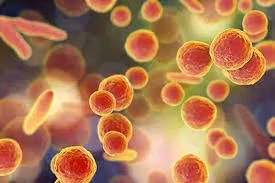
Mycoplasma species are unique bacteria that can cause various infections, particularly in the respiratory and urogenital tracts. A cell wall and fastidious growth requirements are needed for laboratory identification. Understanding Read More ……..
Simplifying Allied Health Learning.
Mycoplasma species are unique bacteria that can cause various infections, particularly in the respiratory and urogenital tracts. A cell wall and fastidious growth requirements are needed for laboratory identification. Understanding Read More ……..
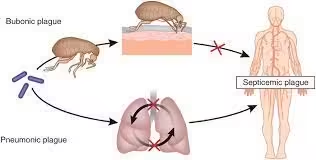
Introduction Plague is a serious infectious disease caused by Yersinia pestis, which belongs to the Enterobacteriaceae family. It primarily affects rodents, and humans can contract it through fleas, direct contact Read More ……..
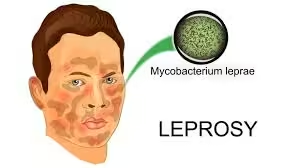
Introduction Leprosy, or Hansen’s disease, is a chronic infectious disease primarily caused by Mycobacterium leprae. This intracellular bacterium primarily affects the skin, peripheral nerves, mucosal surfaces, and eyes, leading to Read More ……..
Introduction Urinary tract infections (UTIs) are common infections that can affect any part of the urinary system, including the bladder (cystitis) and kidneys (pyelonephritis). UTIs can be caused by various Read More ……..

Epidemiology, the study of how diseases affect the health and illness of populations, plays a crucial role in understanding the dynamics of infectious diseases. One key aspect of epidemiology is Read More ……..