
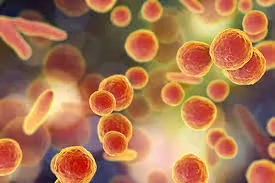
Mycoplasma
Introduction Mycoplasma is the smallest free-living microorganism capable of self-replication. It belongs to the class Mollicutes, meaning “soft skin,” because […]
Introduction Mycoplasma is the smallest free-living microorganism capable of self-replication. It belongs to the class Mollicutes, meaning “soft skin,” because […]
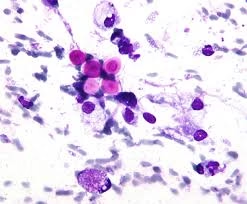
Introduction Cryptococcosis is a serious opportunistic fungal infection caused by encapsulated yeasts of the genus Cryptococcus. The two most important
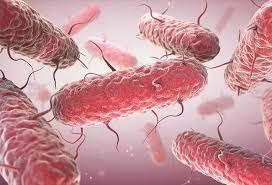
Introduction Enterobacter cloacae is a Gram-negative, rod-shaped bacterium belonging to the family Enterobacteriaceae It is widely distributed in nature and
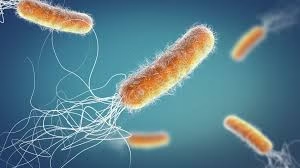
Introduction Gram-negative, aerobic, non-fermenting bacillus Widely distributed in nature; found in soil, water, and moist environments Important opportunistic pathogen in
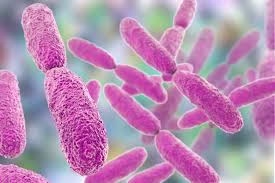
Introduction Klebsiella pneumoniae is a Gram-negative, non-motile, encapsulated bacillus It belongs to the family Enterobacteriaceae It is a facultative anaerobe
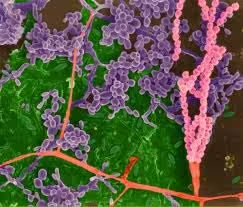
Introduction Leptospira species are thin, spiral-shaped bacteria belonging to the family Leptospiraceae. Among them, Leptospira interrogans is the most important
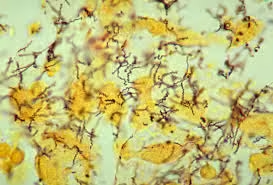
Introduction Treponema species are thin, spiral-shaped bacteria belonging to the family Spirochaetaceae. Among them, Treponema pallidum is the most medically
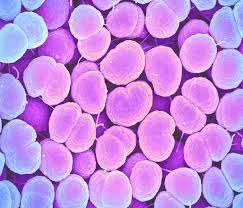
Introduction Neisseria is a genus of Gram-negative, aerobic diplococci that are exclusively human pathogens. Most species are commensals of the
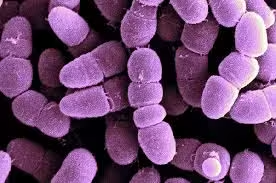
Introduction Clostridium is a genus of Gram-positive, spore-forming, obligate anaerobic bacilli of major medical importance. These organisms are widely distributed
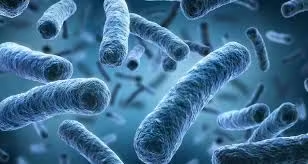
Introduction Bacillus is a genus of Gram-positive, rod-shaped bacteria Belongs to the family Bacillaceae Widely distributed in soil, water, air,
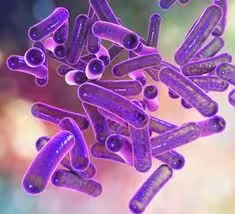
Introduction Brucella is a genus of Gram-negative, facultative intracellular coccobacilli. Brucella species are the causative agents of brucellosis, also known
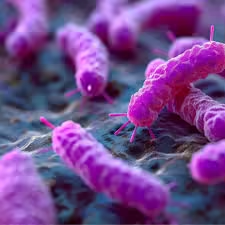
Introduction Bordetella is a genus of small, Gram-negative, aerobic coccobacilli. Bordetella pertussis is the principal causative agent of whooping cough
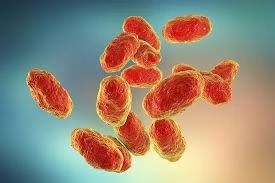
Introduction Haemophilus is a genus of small, pleomorphic, Gram-negative bacteria commonly found in the human upper respiratory tract. Members of
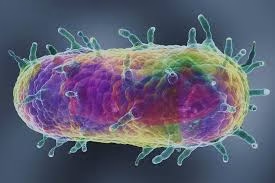
Introduction Yersinia is a genus of Gram-negative bacteria belonging to the family Enterobacteriaceae. Members of this genus are short, rod-shaped
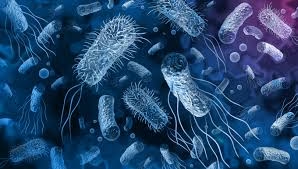
Introduction Salmonella is a clinically important Gram-negative bacterium belonging to the family Enterobacteriaceae. It is a major cause of food-borne
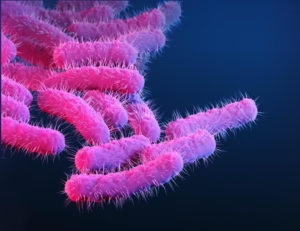
Introduction Shigella is a Gram-negative, non-motile, non-spore-forming bacillus. It belongs to the family Enterobacteriaceae. Shigella is the causative agent of
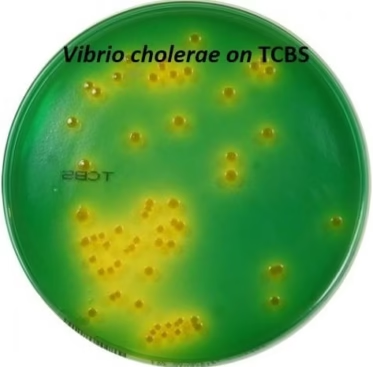
Introduction Vibrio cholerae is a Gram-negative, curved (comma-shaped), motile bacterium. It is the causative agent of cholera, an acute water-borne

Introduction Streptococci are Gram-positive, spherical (cocci) bacteria that typically arrange in chains or pairs. They belong to the family Streptococcaceae
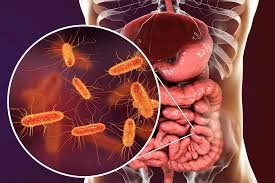
Introduction Escherichia coli (E. coli) is a Gram-negative, rod-shaped bacterium belonging to the family Enterobacteriaceae. It is a normal commensal
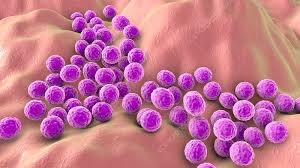
Introduction Staphylococci are Gram-positive cocci that typically appear in grape-like clusters due to division in multiple planes. They are non-motile,
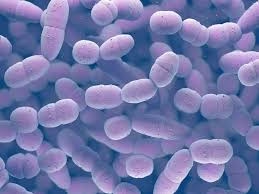
Introduction Streptococcus pneumoniae is a significant human pathogen responsible for various serious infections, including pneumonia, meningitis, and otitis media. Understanding
The preparation and standardization of antigens and antisera are essential in immunology, particularly in developing diagnostic tests, vaccines, and research
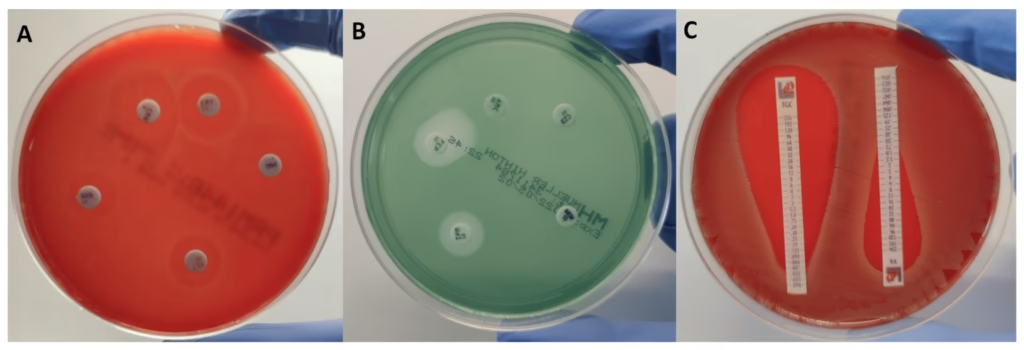
Antimicrobial susceptibility testing for Mycobacterium tuberculosis (M. tuberculosis) and other mycobacteria plays a critical role in identifying drug resistance patterns
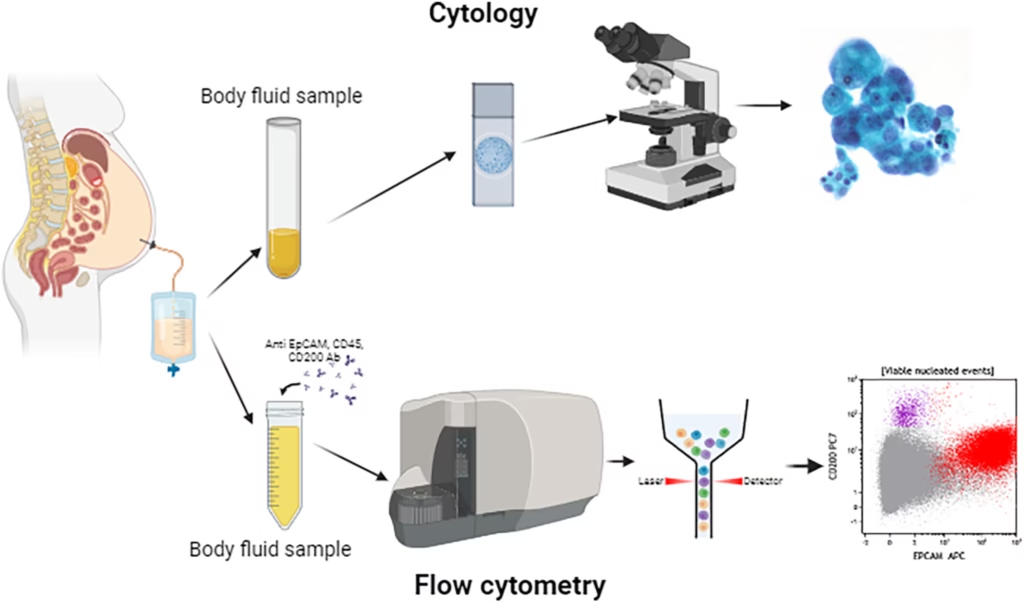
Assaying body fluids involves detecting and quantifying various analytes, including cells, proteins, metabolites, electrolytes, hormones, and microorganisms. These tests are
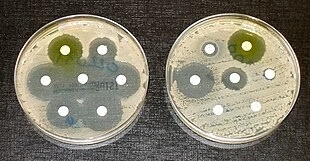
Antimicrobial Sensitivity Testing (AST) is crucial for determining the susceptibility of microorganisms (bacteria, fungi) to various antimicrobial agents. It helps

Biochemical Tests for Bacteria Biochemical tests help to identify bacteria by evaluating their metabolic properties, enzymatic activity, and reaction to
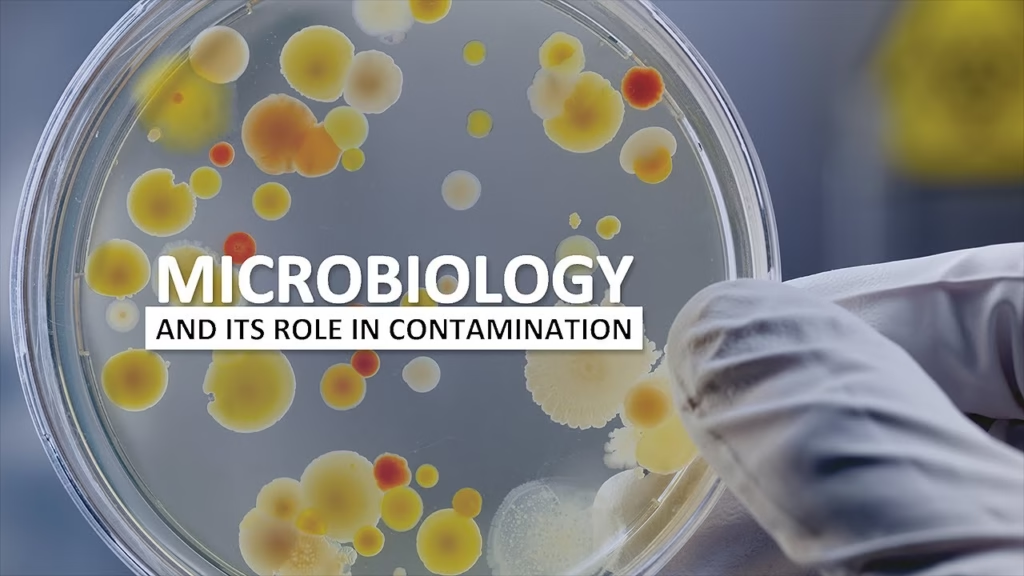
Common bacteriology Laboratory Contaminants In bacteriology labs, it is crucial to differentiate between true pathogens and common contaminants. Contaminants are

Introduction Nocardia is a genus of aerobic, gram-positive, partially acid-fast, branching filamentous bacteria found in soil, decaying organic matter, and
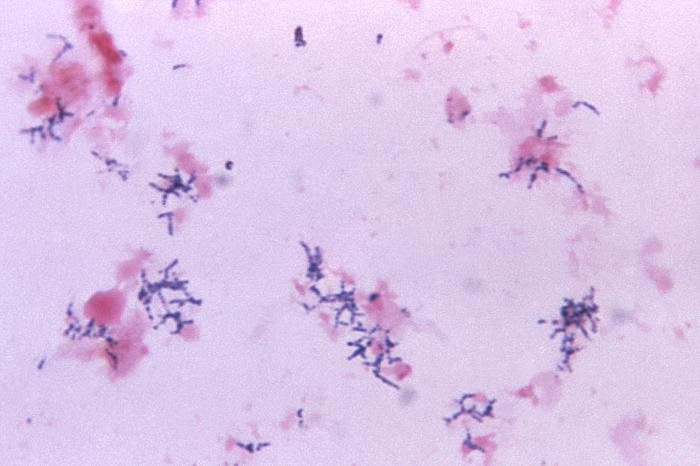
Introduction Actinomyces are a group of filamentous, gram-positive, non-acid-fast, facultative anaerobic (or microaerophilic) bacteria that are part of the normal

Introduction Mycetoma fungi is a chronic, granulomatous infection of the skin, subcutaneous tissue, and sometimes deeper structures like bone. It