
Introduction
-
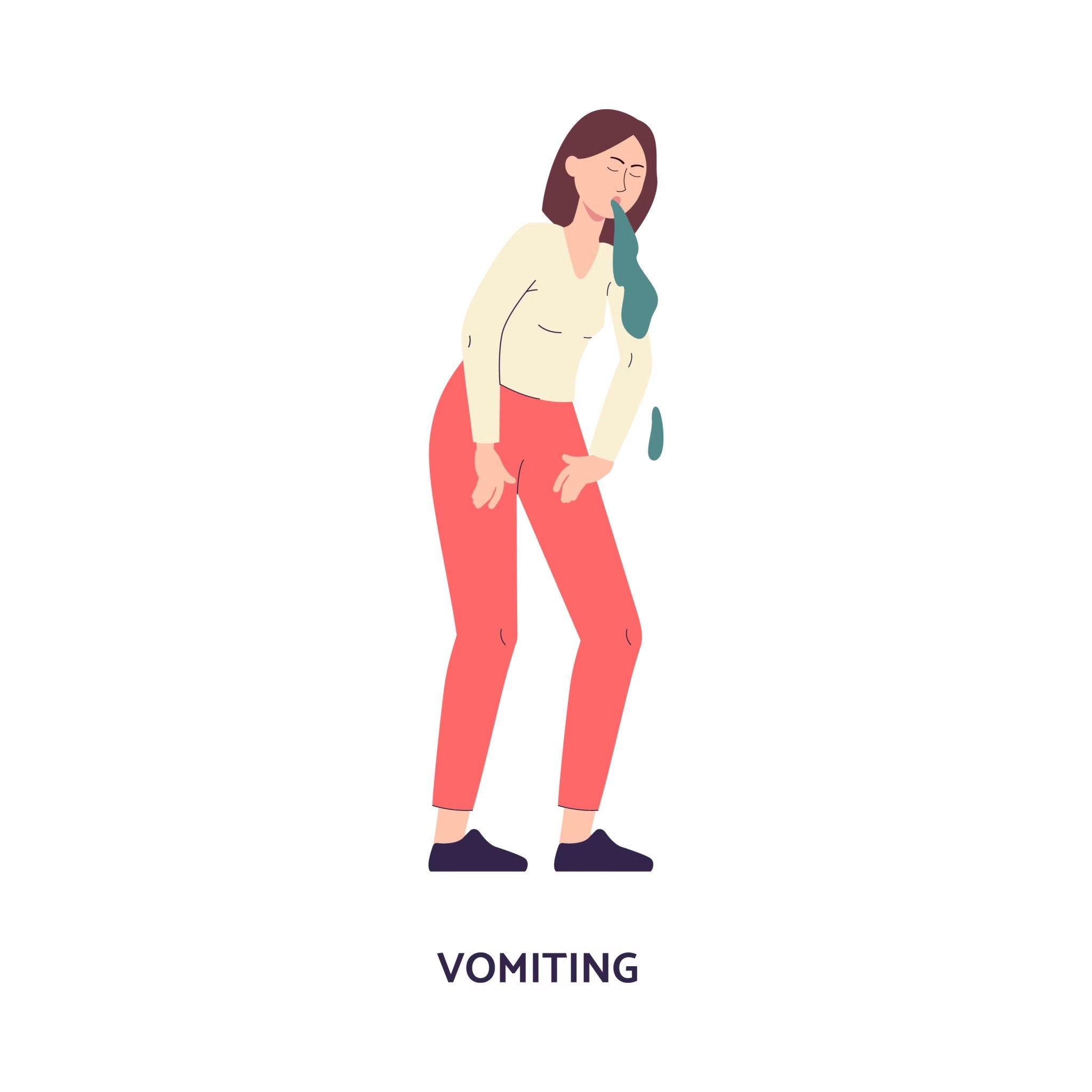
Food poisoning is an acute gastrointestinal illness caused by ingestion of contaminated food or water.
-
It may be due to:
-
Microorganisms
-
Microbial toxins
-
Chemicals
-
Natural toxins
-
-
It is a major public health problem worldwide.
-
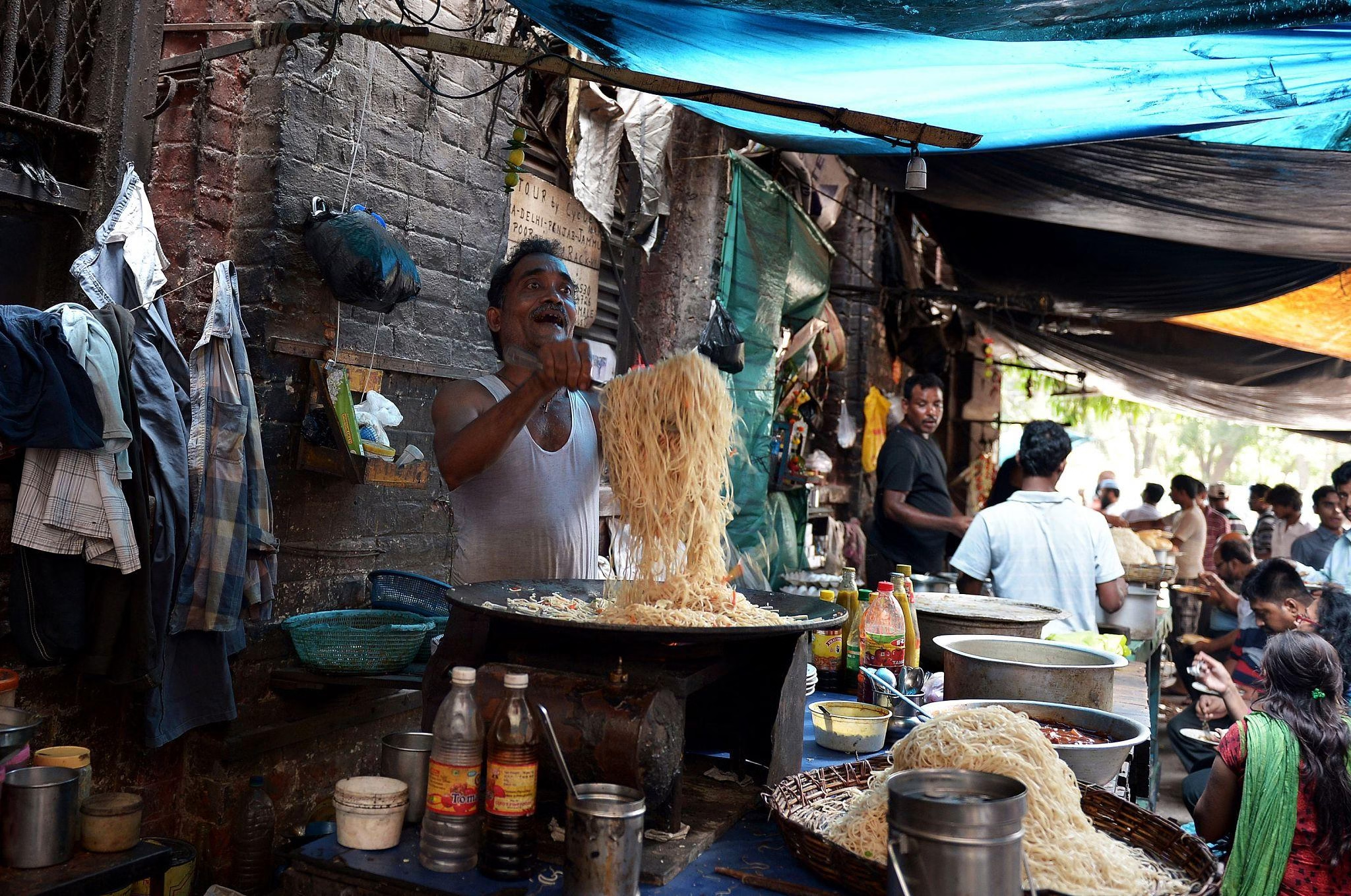
Common in developing countries due to:
-
Poor sanitation
-
Improper food handling
-
Inadequate refrigeration
-
Definition
Food poisoning is defined as:
An acute illness resulting from ingestion of food contaminated with pathogenic microorganisms, their toxins, or harmful chemicals.
Classification of Food Poisoning
A. Based on Mechanism
1. Food Infection
-
Caused by ingestion of live microorganisms
-
Organism multiplies in intestine
-
Produces disease
Examples:
-
Salmonella enterica
-
Escherichia coli
2. Food Intoxication
-
Caused by ingestion of preformed toxin
-
Organism may not be present
-
Rapid onset
Example:
-
Staphylococcus aureus
3. Toxin-Mediated Infection
-
Organism ingested
-
Produces toxin inside intestine
Example:
-
Clostridium perfringens
B. Based on Etiological Agent
-
Bacterial
-
Viral
-
Parasitic
-
Chemical
-
Natural toxin
Etiological Agents
A. Bacterial Causes
-
Source: Poultry, eggs, meat
-
Incubation: 6–48 hours
-
Pathogenesis: Invades intestinal mucosa
-
Symptoms:
-
Fever
-
Diarrhea
-
Abdominal cramps
-
-
Complication: Septicemia
2. Staphylococcus aureus
-
Gram-positive cocci
-
Produces heat-stable enterotoxin
-
Source: Cream pastries, milk products
-
Incubation: 1–6 hours
-
Severe vomiting prominent
3. Clostridium perfringens
-
Gram-positive bacilli
-
Spore-forming anaerobe
-
Source: Improperly stored meat
-
Incubation: 8–16 hours
-
Causes abdominal cramps
4. Vibrio cholerae
-
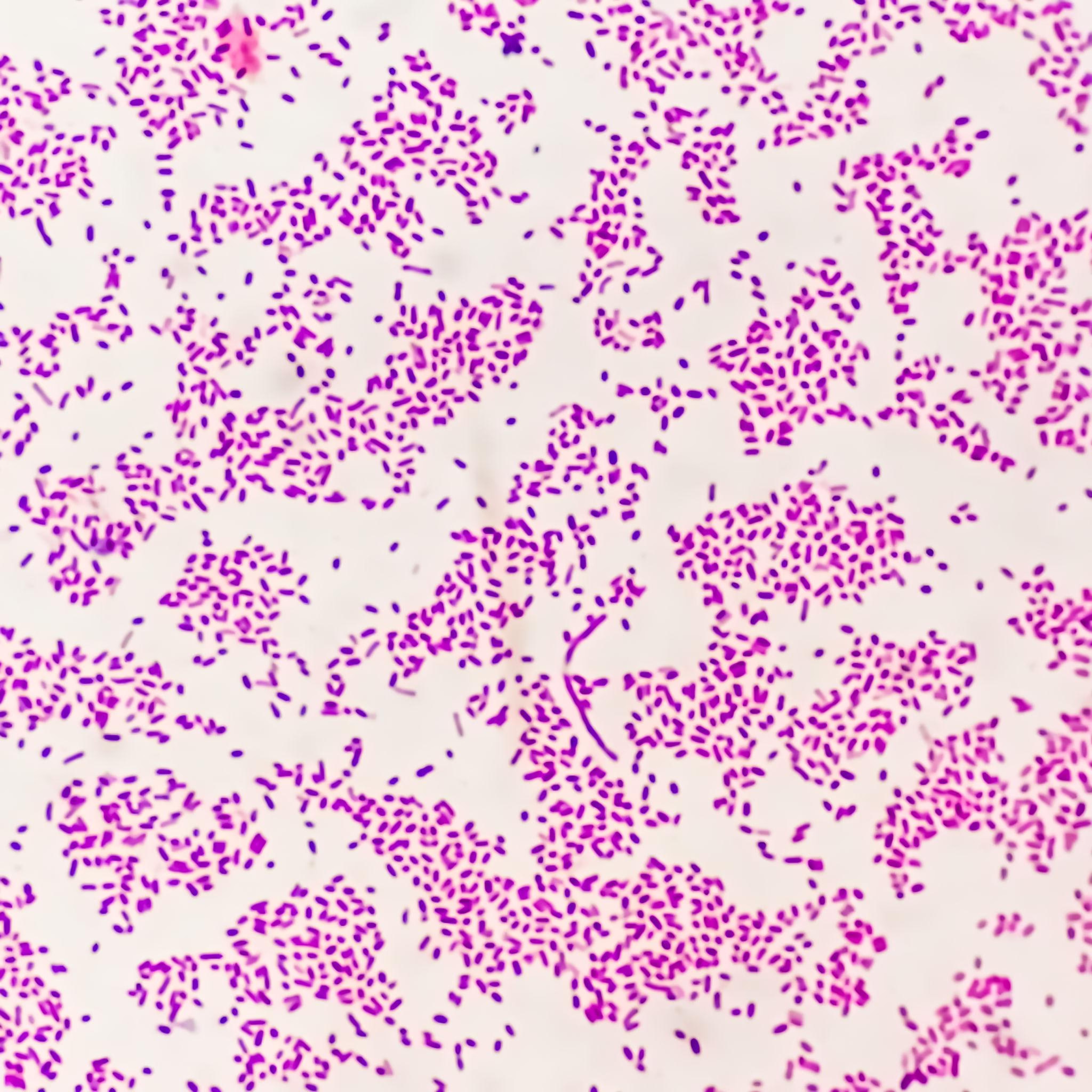
Comma-shaped Gram-negative bacillus
-
Produces cholera toxin
-
Rice water stool
-
Severe dehydration
5. Escherichia coli (EHEC)
-
Source: Undercooked beef
-
Bloody diarrhea
-
Complication: Hemolytic uremic syndrome (HUS)
B. Viral Causes
1. Norovirus
-
Most common viral cause
-
Outbreaks in hostels, cruise ships
-
Highly contagious
2. Hepatitis A virus
-
Contaminated water
-
Causes jaundice
-
Incubation: 2–6 weeks
C. Parasitic Causes
-
Entamoeba histolytica
-
Giardia lamblia
Pathogenesis
-
Ingestion of contaminated food.
-
Survival through gastric acid.
-
Adherence to intestinal mucosa.
-
Multiplication.
-
Toxin production.
-
Increased intestinal secretion.
-
Diarrhea and dehydration.
Clinical Features
A. Gastrointestinal
-
Nausea
-
Vomiting
-
Watery diarrhea
-
Bloody diarrhea
-
Abdominal cramps
B. Systemic
-
Fever
-
Headache
-
Weakness
-
Dehydration
C. Severe Complications
-
Shock
-
Renal failure (HUS)
-
Septicemia
-
Liver damage
Laboratory Diagnosis
-
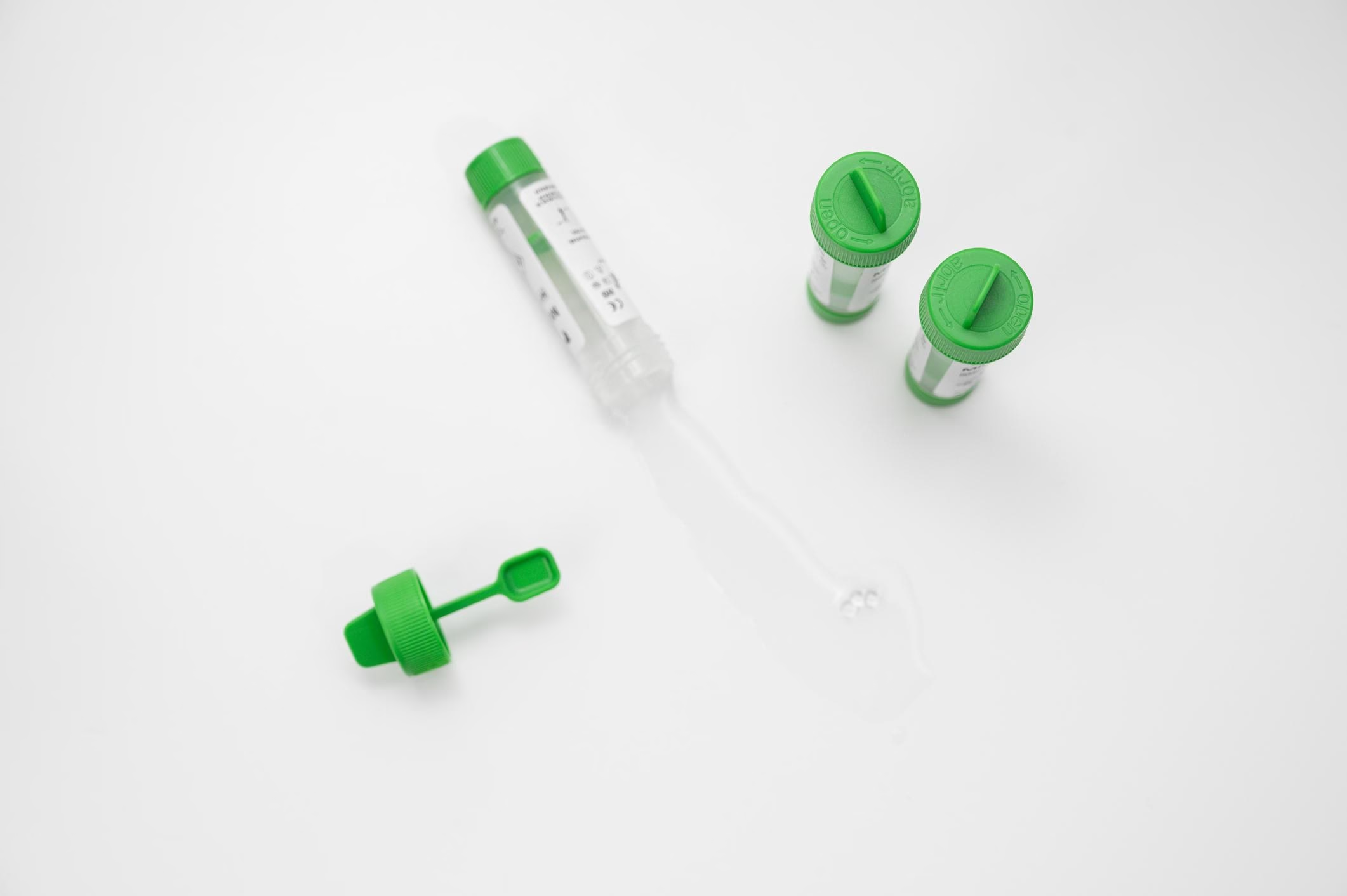
Fresh stool sample
-
Vomitus
-
Blood culture (if fever)
-
Suspected food sample
Precautions:
-
Collect before antibiotics
-
Use sterile container
-
Transport immediately
Microscopy
-
Wet mount
-
Gram staining
-
Ova and cyst examination
-
RBC/WBC in stool
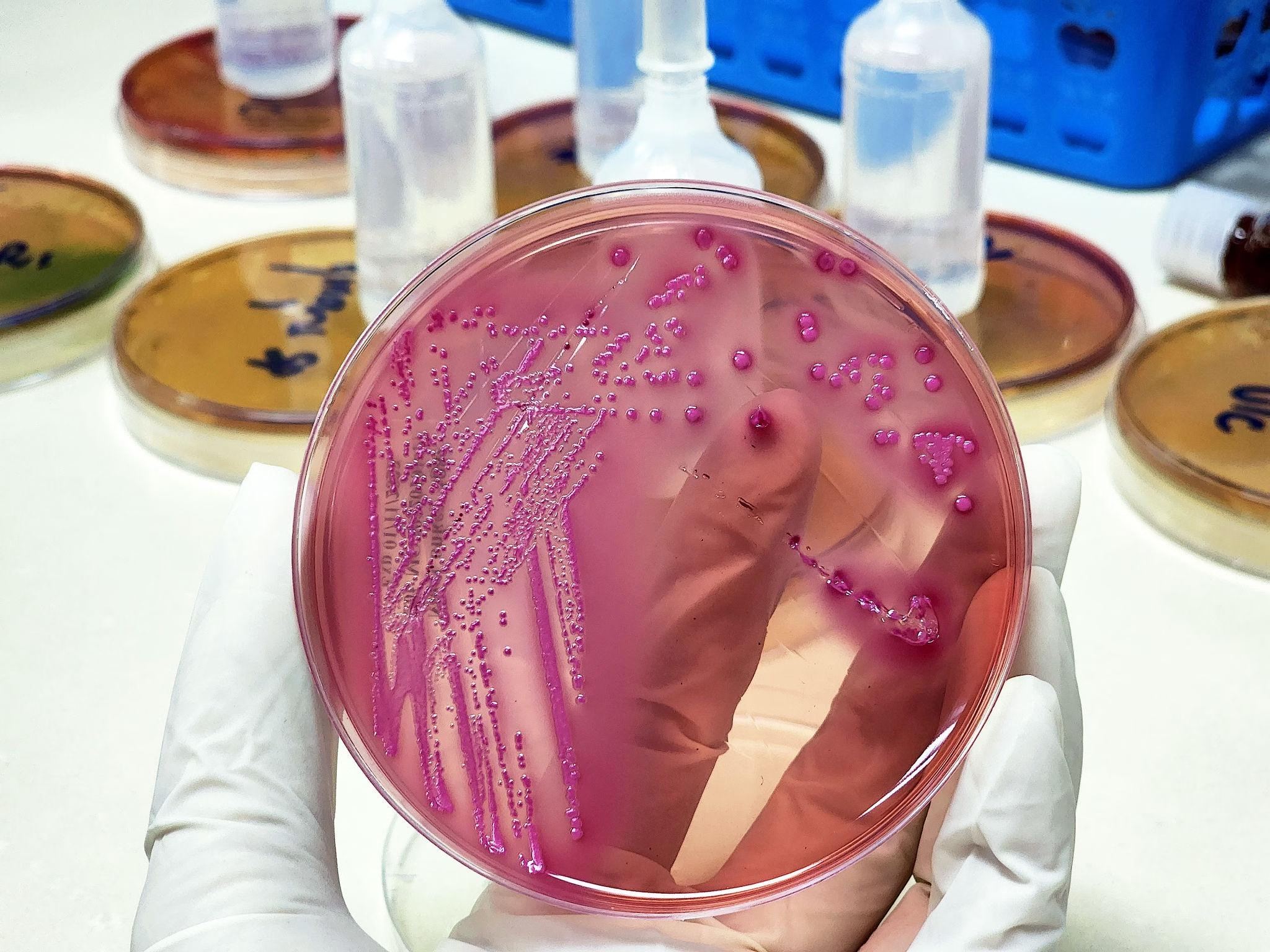
Culture Media
| Organism | Media |
|---|---|
| Salmonella | XLD agar |
| E. coli | MacConkey agar |
| Vibrio | TCBS agar |
| Staphylococcus | Blood agar |
Biochemical Tests
-
TSI test
-
Indole test
-
Citrate test
-
Urease test
-
Catalase & Coagulase (Staph)
Serological Tests
-
Widal test
-
ELISA for viral antigens
Molecular Diagnosis
-
PCR
-
Multiplex PCR panels
-
Toxin gene detection
Treatment
-
Oral Rehydration Solution (ORS)
-
IV fluids (severe cases)
-
Antibiotics (if indicated)
-
Anti-emetics
-
Zinc (children)
Prevention
-
Wash hands properly.
-
Cook food thoroughly.
-
Avoid street food contamination.
-
Refrigerate leftovers.
-
Safe drinking water.
-
Avoid cross-contamination.
-
Maintain personal hygiene.
Food Poisoning Outbreak Investigation
-
Confirm diagnosis.
-
Collect samples.
-
Culture & identify pathogen.
-
Epidemiological tracing.
-
Implement control measures.
-
Public health reporting.
MCQs
1. Food poisoning is most commonly caused by:
A. Chemical exposure
B. Contaminated food and water
C. Genetic mutation
D. Trauma
Answer: B
2. Food intoxication is caused by:
A. Live bacteria
B. Viral replication
C. Preformed toxin
D. Parasites
Answer: C
3. The most common bacterial cause of food infection is:
A. Salmonella enterica
B. Mycobacterium
C. Corynebacterium
D. Bacillus anthracis
Answer: A
4. Rapid onset vomiting within 1–6 hours suggests:
A. Salmonella
B. E. coli
C. Staphylococcus aureus
D. Vibrio
Answer: C
5. TCBS agar is used to isolate:
A. Salmonella
B. Shigella
C. Vibrio cholerae
D. Staphylococcus
Answer: C
6. The incubation period of Salmonella is:
A. 1 hour
B. 6–48 hours
C. 7 days
D. 1 month
Answer: B
7. Food poisoning due to improperly stored meat is commonly caused by:
A. Clostridium perfringens
B. Staphylococcus
C. E. coli
D. Shigella
Answer: A
8. The most common viral cause of food poisoning is:
A. Rotavirus
B. Norovirus
C. Influenza
D. HIV
Answer: B
9. Bloody diarrhea is commonly seen in:
A. Staph infection
B. Viral infection
C. Escherichia coli (EHEC)
D. Clostridium
Answer: C
10. The primary symptom of Staphylococcal food poisoning is:
A. Fever
B. Vomiting
C. Jaundice
D. Rash
Answer: B
11. Rice-water stools are characteristic of:
A. Salmonella
B. Vibrio cholerae
C. Staph
D. E. coli
Answer: B
12. Gram-positive cocci in clusters indicate:
A. Salmonella
B. E. coli
C. Staphylococcus aureus
D. Vibrio
Answer: C
13. MacConkey agar is selective for:
A. Gram-positive bacteria
B. Gram-negative bacteria
C. Viruses
D. Parasites
Answer: B
14. XLD agar is used for:
A. Staphylococcus
B. Salmonella
C. Vibrio
D. Clostridium
Answer: B
15. Food infection differs from intoxication because:
A. Toxin is preformed
B. Organism multiplies in intestine
C. No bacteria involved
D. No symptoms
Answer: B
16. The most important treatment in food poisoning is:
A. Steroids
B. Antibiotics always
C. ORS
D. Surgery
Answer: C
17. Hemolytic uremic syndrome is complication of:
A. Vibrio
B. Staph
C. Escherichia coli
D. Norovirus
Answer: C
18. The best specimen for diagnosis is:
A. Urine
B. Stool
C. CSF
D. Saliva
Answer: B
19. Widal test is used for:
A. Cholera
B. Salmonella
C. Staph
D. E. coli
Answer: B
20. Coagulase test identifies:
A. Salmonella
B. Vibrio
C. Staphylococcus aureus
D. E. coli
Answer: C
21. Anaerobic spore-forming bacillus:
A. E. coli
B. Staph
C. Clostridium perfringens
D. Vibrio
Answer: C
22. Most common source of Salmonella:
A. Eggs
B. Fruits
C. Water only
D. Air
Answer: A
23. Viral food poisoning spreads rapidly due to:
A. Spores
B. Toxins
C. High infectivity
D. Antibiotics
Answer: C
24. ELISA is useful for detecting:
A. Bacteria culture
B. Viral antigens
C. Parasite eggs
D. RBC count
Answer: B
25. Severe dehydration leads to:
A. Shock
B. Hypertension
C. Diabetes
D. Cancer
Answer: A
26. Heat-stable enterotoxin is produced by:
A. Salmonella
B. Clostridium perfringens
C. Vibrio cholerae
D. Staphylococcus aureus
Answer: D
27. Multiplex PCR is useful because it:
A. Detects only one pathogen
B. Detects multiple pathogens simultaneously
C. Replaces culture completely
D. Detects parasites only
Answer: B
28. Zinc supplementation is especially recommended in:
A. Adults
B. Elderly
C. Children with diarrhea
D. Pregnant women
Answer: C
29. Outbreaks in hostels and cruise ships are commonly caused by:
A. Salmonella
B. Staphylococcus
C. Norovirus
D. Clostridium
Answer: C
30. Citrate utilization test is used to differentiate:
A. Gram-positive cocci
B. Enterobacteriaceae members
C. Viruses
D. Parasites
Answer: B
31. Indole-positive organism commonly causing food poisoning:
A. Salmonella
B. Vibrio
C. Shigella
D. Escherichia coli
Answer: D
32. The most important preventive measure is:
A. Antibiotics
B. Vaccination only
C. Hand washing
D. Antacids
Answer: C
33. Food poisoning cases are more common during:
A. Winter
B. Rainy season only
C. Summer
D. Autumn
Answer: C
34. Septicemia is a serious complication of:
A. Norovirus
B. Staphylococcus
C. Salmonella enterica
D. Giardia
Answer: C
35. Gram-negative comma-shaped bacillus:
A. E. coli
B. Salmonella
C. Vibrio cholerae
D. Staphylococcus
Answer: C
36. Ova and cysts are detected in:
A. Bacterial infection
B. Viral infection
C. Chemical poisoning
D. Parasitic infection
Answer: D
37. Most rapid onset of symptoms occurs in:
A. Salmonella infection
B. E. coli infection
C. Staphylococcus aureus intoxication
D. Hepatitis A
Answer: C
38. High-risk groups for severe food poisoning include:
A. Healthy adults
B. Teenagers
C. Children and elderly
D. Athletes
Answer: C
39. Improper refrigeration promotes growth of:
A. Pathogenic bacteria
B. Viruses
C. Fungi only
D. Parasites only
Answer: A
40. Catalase-positive Gram-positive cocci:
A. Streptococcus
B. Staphylococcus aureus
C. Salmonella
D. Vibrio
Answer: B
41. Lactose fermenting colonies on MacConkey agar appear:
A. Colorless
B. Black
C. Pink
D. Green
Answer: C
42. Non-lactose fermenter on MacConkey agar:
A. E. coli
B. Salmonella enterica
C. Klebsiella
D. Enterobacter
Answer: B
43. Major fluid loss in cholera is due to:
A. RBC destruction
B. Electrolyte secretion
C. Toxin-induced water and electrolyte loss
D. Liver damage
Answer: C
44. Stool culture is important in:
A. Outbreak investigation
B. Viral hepatitis only
C. Diabetes
D. Hypertension
Answer: A
45. Food handler hygiene prevents:
A. Genetic diseases
B. Fecal-oral transmission
C. Viral mutation
D. Chemical poisoning
Answer: B
46. PCR in food poisoning helps to:
A. Detect toxin genes
B. Replace microscopy
C. Detect RBC
D. Measure glucose
Answer: A
47. Blood culture is indicated when:
A. Only vomiting
B. Mild diarrhea
C. Fever and systemic signs
D. No symptoms
Answer: C
48. Antibiotics are usually NOT required in:
A. Salmonella septicemia
B. E. coli HUS
C. Staphylococcus aureus intoxication
D. Shigella dysentery
Answer: C
49. Main mode of transmission of food poisoning:
A. Airborne
B. Vector-borne
C. Fecal-oral route
D. Blood transfusion
Answer: C
50. The most important role of MLT in food poisoning is:
A. Prescribing antibiotics
B. Performing surgery
C. Accurate laboratory identification
D. Counseling patients
Answer: C