Introduction
Infection occurs when microorganisms such as bacteria, viruses, fungi, or parasites invade the body, multiply, and cause tissue damage. Understanding the types and stages of infection, along with the chain of infection and factors increasing susceptibility, is essential in microbiology, pathology, nursing, and public health.
This knowledge helps in:
-
Early diagnosis
-
Infection prevention
-
Clinical management
-
Breaking the transmission cycle
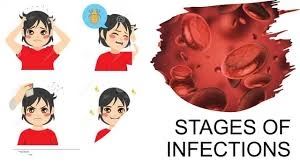
Types of Infection
1. Based on Duration
A. Acute Infection
-
Rapid onset
-
Short duration
-
Symptoms are severe but brief
-
Example: Acute respiratory infections
B. Chronic Infection
-
Slow progression
-
Long duration (months or years)
-
Persistent infection
-
Example: Chronic lung infections
C. Latent Infection
-
Pathogen remains dormant
-
No active symptoms
-
May reactivate later
2. Based on Extent
A. Local Infection
-
Limited to one specific area
-
Example: Abscess
B. Systemic Infection
-
Spreads throughout the body via blood or lymph
-
Example: Septicemia
C. Focal Infection
-
Starts locally but spreads to distant organs
3. Based on Source
A. Primary Infection
-
Initial infection in a healthy host
B. Secondary Infection
-
Occurs during or after treatment of primary infection
C. Opportunistic Infection
-
Occurs in immunocompromised individuals
4. Based on Transmission
A. Cross Infection
-
Transmitted from one patient to another
B. Nosocomial (Hospital-Acquired) Infection
-
Acquired during hospital stay
C. Community-Acquired Infection
-
Acquired outside hospital settings
Stages of Infection
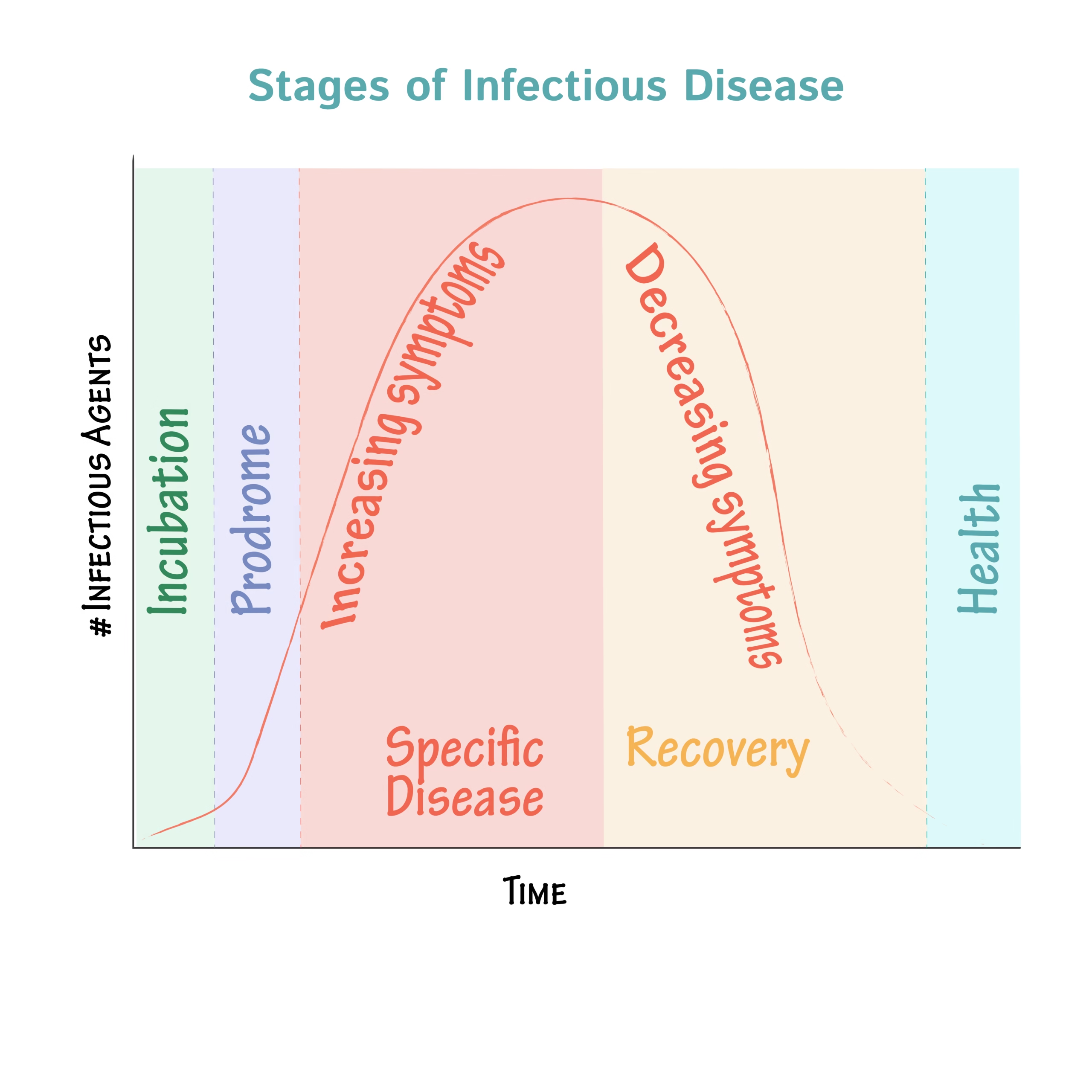 Infection progresses through predictable stages:
1. Incubation Period
-
Time between entry of pathogen and appearance of symptoms
-
Pathogen multiplies silently
-
No clinical signs
2. Prodromal Stage
-
Early mild symptoms appear
-
General discomfort, fever, malaise
-
Person may be contagious
3. Acute (Illness) Stage
-
Symptoms are severe and specific
-
Maximum pathogen multiplication
-
Tissue damage occurs
4. Convalescent Stage
-
Recovery phase
-
Symptoms decrease
-
Tissue repair begins
Chain of Infection
The chain of infection describes how infection spreads from one host to another.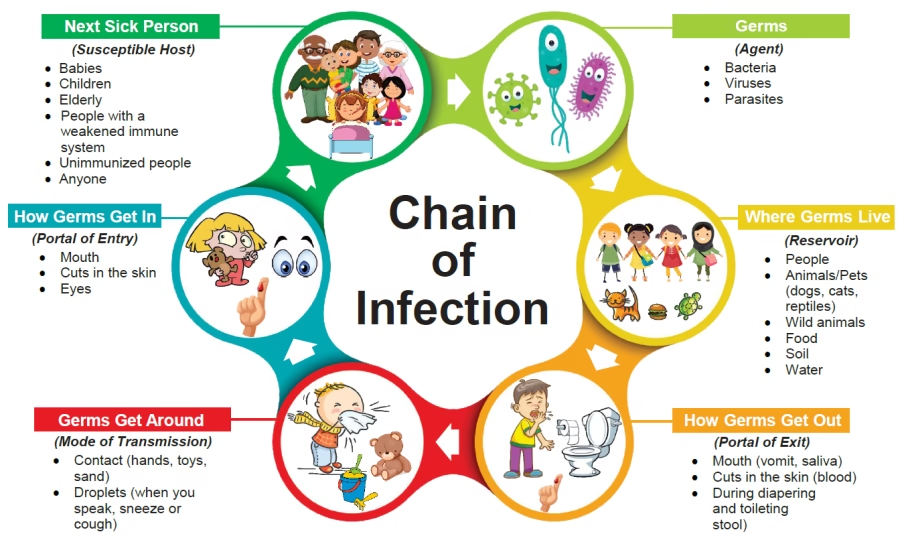
1. Infectious Agent
-
Bacteria
-
Viruses
-
Fungi
-
Parasites
2. Reservoir
-
Place where pathogen lives and multiplies
-
Humans
-
Animals
-
Soil
-
Water
3. Portal of Exit
-
Path by which pathogen leaves reservoir
-
Respiratory secretions
-
Blood
-
Feces
-
Urine
4. Mode of Transmission
-
Direct contact
-
Indirect contact
-
Airborne
-
Vector-borne
-
Droplet transmission
5. Portal of Entry
-
Respiratory tract
-
Gastrointestinal tract
-
Broken skin
-
Genitourinary tract
6. Susceptible Host
-
Person with weak immunity
-
Unvaccinated individuals
-
Elderly or infants
Breaking any one link can prevent infection.
Factors Increasing Susceptibility to Infection
1. Age
-
Infants (immature immunity)
-
Elderly (declining immunity)
2. Nutritional Status
-
Malnutrition weakens immune response
-
Vitamin deficiencies increase risk
3. Immunocompromised State
-
HIV infection
-
Chemotherapy
-
Organ transplantation
-
Steroid therapy
4. Chronic Diseases
-
Diabetes
-
Kidney disease
-
Liver disease
5. Poor Hygiene and Sanitation
-
Contaminated water
-
Poor hand hygiene
-
Overcrowding
6. Stress and Fatigue
-
Weakens immune defense
-
Reduces resistance to pathogens
7. Break in Skin or Mucous Membrane
-
Wounds
-
Burns
-
Surgical procedures
8. Lack of Immunization
-
Unvaccinated individuals are more susceptible