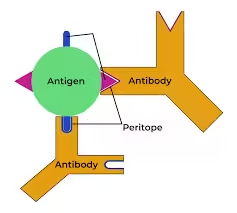
Antigens Antigens are molecules that the immune system identifies as foreign, prompting it to initiate a response to neutralize or eliminate the perceived threat. Antigens play a crucial role in Read More ……..
Simplifying Allied Health Learning.
Antigens Antigens are molecules that the immune system identifies as foreign, prompting it to initiate a response to neutralize or eliminate the perceived threat. Antigens play a crucial role in Read More ……..
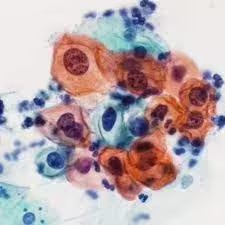
Collection of Cytologic Specimens Purpose and Importance: The accuracy of cytological diagnoses heavily relies on collecting adequate, representative samples from the targeted site. Proper collection ensures cellular morphology is preserved Read More ……..
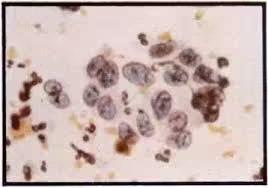
Exfoliative cytology studies of cells that are shed or scraped from body surfaces. It is a non-invasive diagnostic technique primarily used for detecting abnormalities, particularly in epithelial tissues. In female Read More ……..
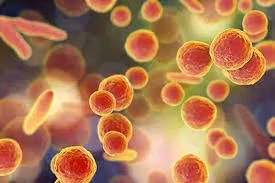
Mycoplasma species are unique bacteria that can cause various infections, particularly in the respiratory and urogenital tracts. A cell wall and fastidious growth requirements are needed for laboratory identification. Understanding Read More ……..
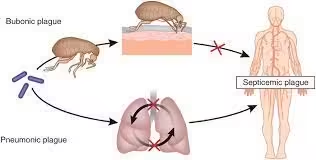
Introduction Plague is a serious infectious disease caused by Yersinia pestis, which belongs to the Enterobacteriaceae family. It primarily affects rodents, and humans can contract it through fleas, direct contact Read More ……..