

Joints
Introduction A joint is the place where two or more bones or cartilages meet. It acts as a connection between […]
Introduction A joint is the place where two or more bones or cartilages meet. It acts as a connection between […]
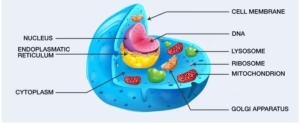
Introduction The cell is the smallest living unit capable of carrying out all vital life processes. In anatomy and physiology,

Introduction Blood is a vital fluid in the human body that plays a crucial role in maintaining homeostasis and supporting
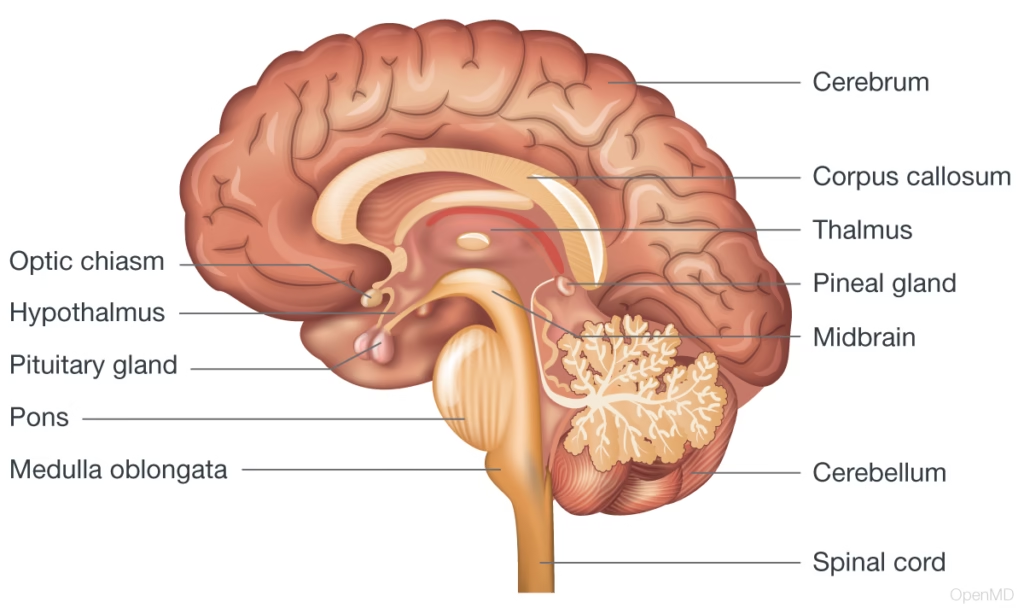
Introduction The nervous system is a highly specialized and complex network of cells and organs that coordinates and integrates the

Introduction The female genital system is a complex organ system that plays a key role in reproduction, sexual function, and
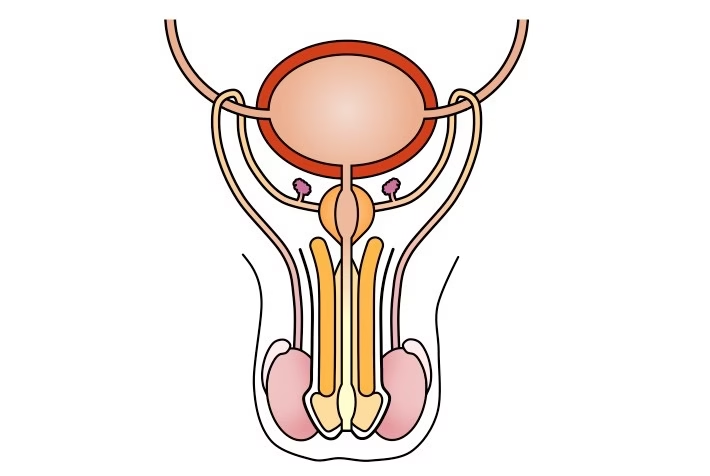
Introduction The male genital system is a complex and highly specialized anatomical structure responsible for reproduction, sexual function, and the

The urinary system, also called the renal system, is responsible for filtering and eliminating waste products from the body while maintaining the
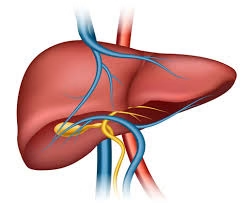
Introduction The liver is the largest internal organ and a vital gland in the human body. It performs over 500
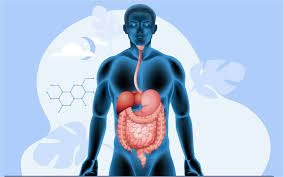
Introduction The alimentary system, also known as the digestive system, is responsible for the breakdown of food, absorption of nutrients,

Introduction The cardiovascular system, also known as the circulatory system, is a vital organ system that facilitates the continuous movement

Introduction The respiratory system is responsible for gas exchange, enabling the body to take in oxygen for metabolic processes and

Introduction The muscular system comprises specialized tissues capable of contracting and generating force. It enables movement, maintains posture, stabilizes joints,

Introduction Bones are specialized connective tissues that form the internal framework of the body. They are vital for multiple roles,
The skeletal system is a complex network of bones, cartilage, ligaments, and tendons that provide structural support and protection for