

Bacteriological examinations of water, milk, food, and air
Introduction Bacteriological examination is performed to detect the presence, number, and type of microorganisms in environmental and food samples. It […]
Introduction Bacteriological examination is performed to detect the presence, number, and type of microorganisms in environmental and food samples. It […]
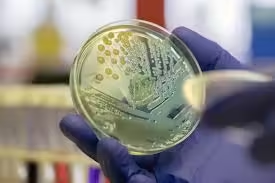
Introduction Determination of bacterial count is an important laboratory procedure used to estimate the number of microorganisms present in a

Introduction Disinfectants are chemical agents used to destroy pathogenic microorganisms on non-living surfaces. Before a disinfectant is used in hospitals,

Introduction Preserving microbial cultures is crucial for applied microbiology, enabling researchers to retain microbial strains for long-term use in research,
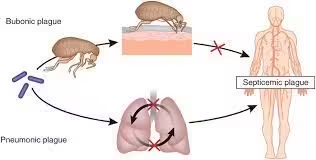
Introduction Plague is a highly infectious zoonotic disease. It is one of the most important epidemic diseases in medical history.
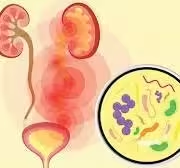
Introduction Urinary Tract Infection is one of the most common bacterial infections affecting humans. It occurs when microorganisms invade any
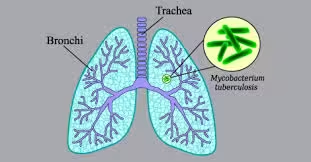
Introduction Tuberculosis (TB) is a chronic infectious disease caused mainly by Tuberculosis. The disease primarily affects the lungs, but it
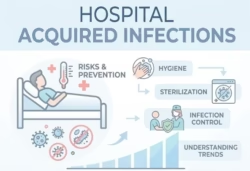
Introduction Hospital-acquired infections (HAIs), also known as nosocomial infections, are infections that develop in patients during their stay in a

Introduction Gas gangrene is a severe, necrotizing soft tissue infection primarily caused by Clostridium perfringens, along with other species of

Introduction Acute diarrheal disease is a significant global health issue that can result from various infectious agents, including bacteria, viruses,
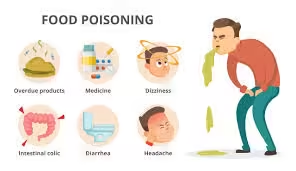
Introduction Food poisoning is an acute gastrointestinal illness caused by ingestion of contaminated food or water. It may be due
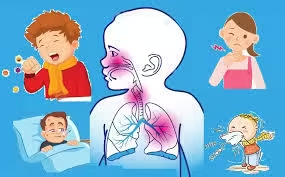
Introduction Respiratory Tract Infections (RTIs) are infections affecting any part of the respiratory system. The respiratory tract is divided into:
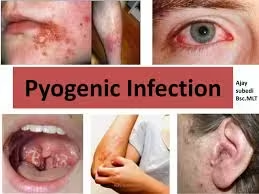
Introduction Pyogenic infections, characterized by pus formation, are primarily caused by pathogenic bacteria that induce acute inflammation. These infections can

Introduction Enteric fever is a systemic infectious disease primarily affecting the gastrointestinal tract and reticuloendothelial system. It is caused by:

Introduction Cholera is an acute, severe diarrheal disease caused by the bacterium Vibrio cholerae. It is characterized by profuse watery
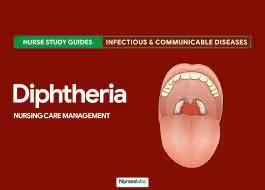
Introduction Diphtheria is an acute, communicable, toxin-mediated bacterial infection. It primarily affects the upper respiratory tract, especially the tonsils, pharynx,
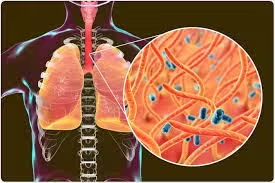
Introduction Whooping cough, also known as pertussis, is an acute and highly contagious bacterial infection. It primarily affects the respiratory
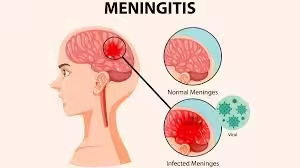
Introduction Meningitis is a serious inflammatory condition involving the meninges, the protective membranes covering the brain and spinal cord. It

Introduction The Widal test is a serological diagnostic method widely used to identify typhoid and paratyphoid fevers, collectively known as
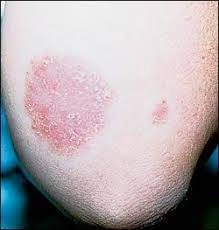
Superficial dermatophyte infections involve the skin, hair, or nails and are caused by dermatophytes belonging to genera such as Trichophyton,

Introduction The TPHA and FTA-ABS tests are confirmatory tests for syphilis after a non-treponemal test (such as VDRL) shows a
Introduction The VDRL test was developed as a screening test for syphilis and is particularly used to detect secondary syphilis
Introduction The Cold Agglutination Test detects cold agglutinins (antibodies) in a patient’s blood, which cause RBCs to agglutinate at temperatures
Introduction The Rose-Waaler Brucella Agglutination Test is a serological test detecting Brucella-specific antibodies in human serum. Brucella species are intracellular
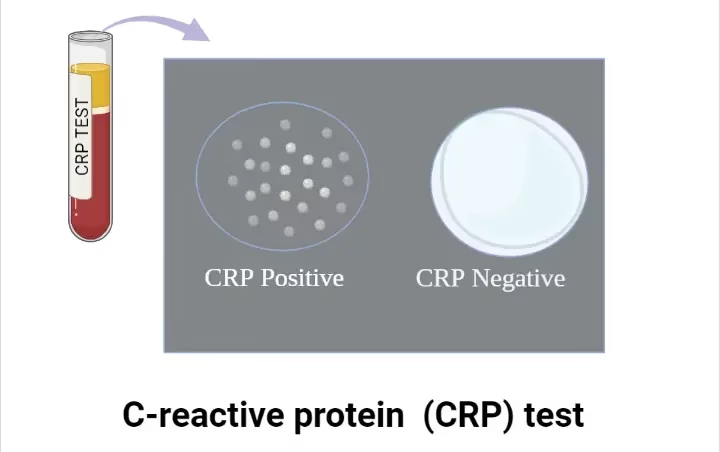
Introduction C-reactive protein (CRP) is a sensitive biomarker of inflammation, synthesized by the liver in response to cytokines, especially interleukin-6

Introduction The Anti-Streptolysin O (ASO) test is a vital diagnostic tool for measuring antibodies produced against Streptolysin O (SLO), a
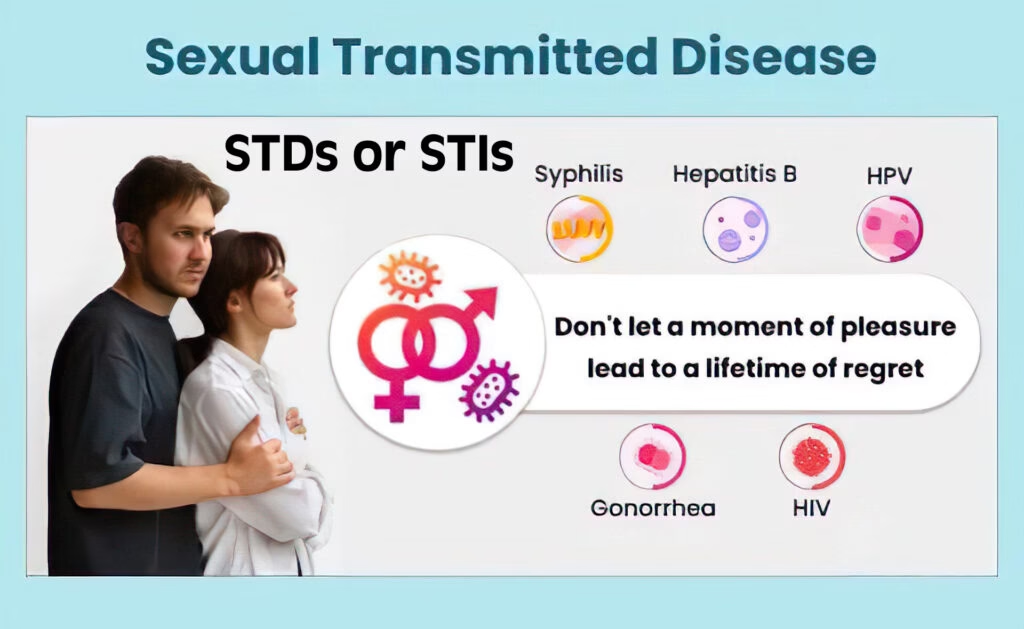
Sexually transmitted diseases (STDs) are infections commonly transmitted through sexual activity. Various pathogens, including bacteria, viruses, and parasites, can cause
Introduction Gonorrhea is a common sexually transmitted infection (STI) caused by the bacterium Neisseria gonorrhoeae. It has significant health implications

Introduction Syphilis is caused by Treponema pallidum, a spirochete bacterium. It is primarily transmitted through sexual contact but can also
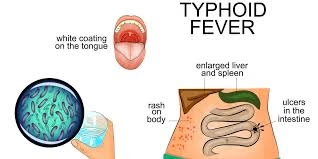
Introduction Typhoid fever is caused by Salmonella enterica serotype Typhi (S. Typhi), a bacterium primarily affecting humans. It is transmitted