Introduction
-
Mental health is an important part of overall health and well-being. It influences how individuals think, feel, and behave in daily life.
-
A mentally healthy person is able to cope with daily stress, maintain good relationships with others, and make responsible decisions.
-
Mental health also helps individuals work productively and contribute positively to society.
-
Mental health does not only mean the absence of mental illness, but also includes emotional stability, positive thinking, and psychological well-being.
-
A mentally healthy individual can adapt to life challenges, manage emotions effectively, and handle difficult situations calmly.
-
In health care settings, understanding mental health and personality is very important for effective patient care.
-
Health care workers frequently interact with patients who may experience stress, anxiety, emotional disturbances, or behavioral problems due to illness or personal situations.
-
Knowledge of personality and defense mechanisms helps health professionals understand how patients react to illness and treatment.
-
Understanding mental health principles helps health care workers provide emotional support, improve communication, and enhance patient care.
Mentally Healthy Person
A mentally healthy person shows balanced emotional, psychological, and social functioning. Such individuals can manage their emotions, adapt to changing situations, and maintain healthy relationships with others.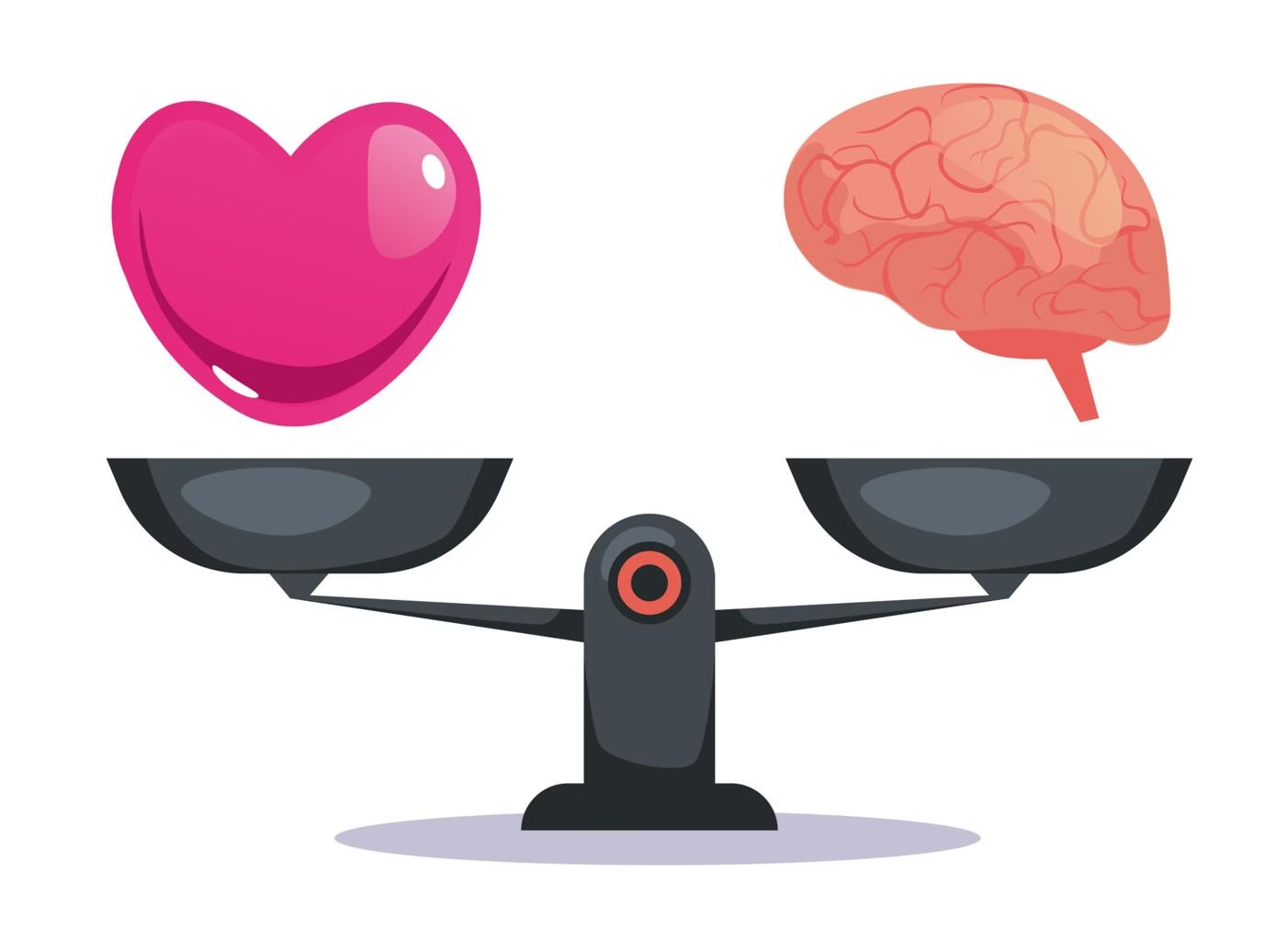
Characteristics of a Mentally Healthy Person
-
Positive attitude toward life
A mentally healthy person usually has an optimistic outlook and maintains hope even during difficult situations. -
Emotional stability
They can control their emotions and respond appropriately to different situations. -
Self-awareness
They understand their strengths and weaknesses and accept themselves realistically. -
Ability to cope with stress
Mentally healthy individuals can handle stress, frustration, and problems effectively. -
Good interpersonal relationships
They maintain healthy relationships with family, friends, and colleagues. -
Decision-making ability
They can make logical and responsible decisions. -
Adaptability
They can adjust to new situations and changes in life. -
Sense of responsibility
They take responsibility for their actions and fulfill their duties properly. -
Productivity and creativity
They actively participate in work and contribute positively to society. -
Balanced lifestyle
They maintain balance between work, rest, recreation, and social activities.
Defence Mechanisms
Defense mechanisms are unconscious psychological strategies used by individuals to protect themselves from anxiety, stress, or uncomfortable thoughts and feelings.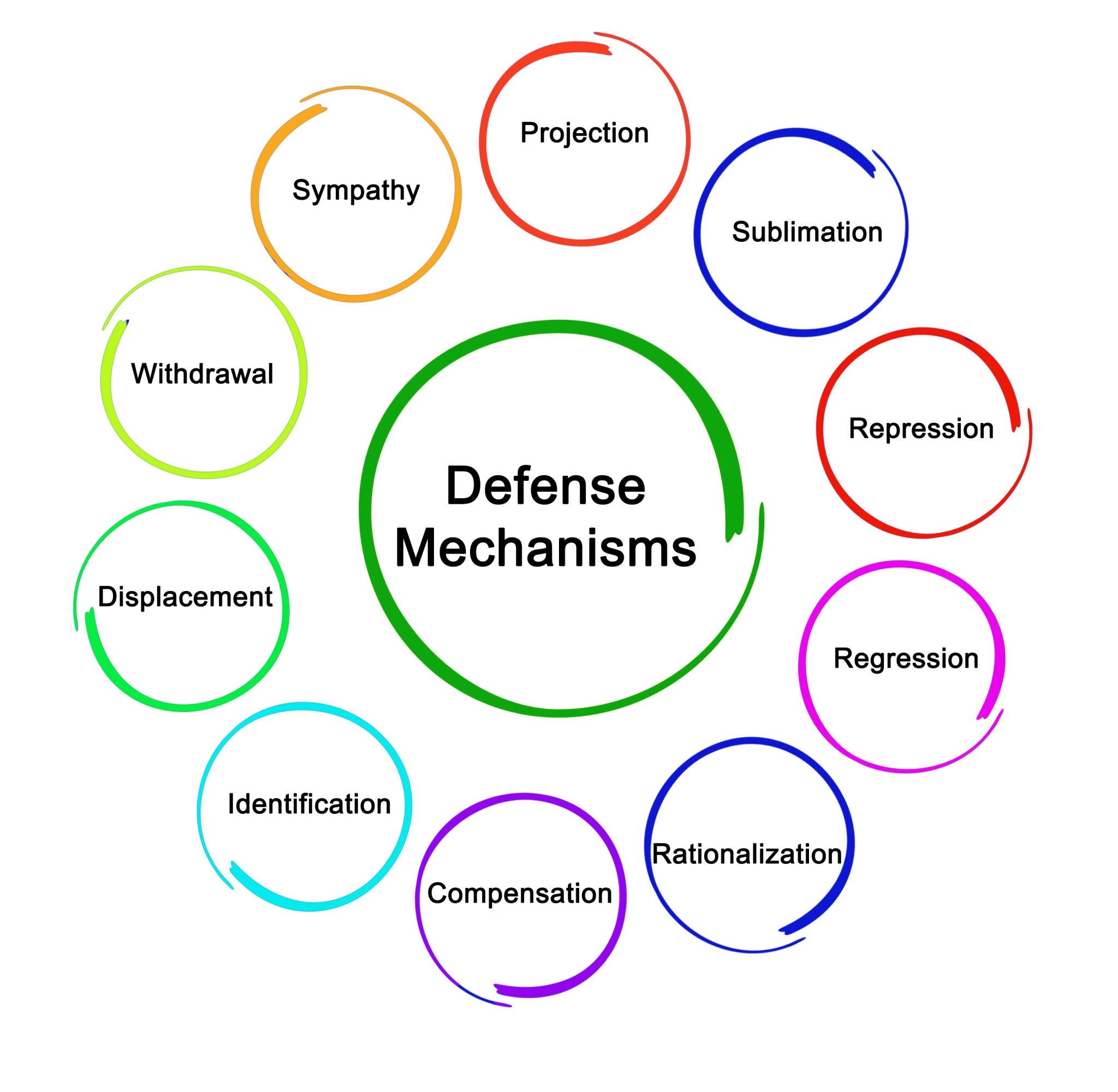
These mechanisms help reduce emotional conflict and maintain psychological balance.
Common Defence Mechanisms
1. Denial
Denial occurs when a person refuses to accept reality or facts because they are too painful.
Example: A patient refusing to believe they have a serious illness.
2. Repression
Repression involves unconsciously blocking unpleasant memories or thoughts from awareness.
3. Projection
In projection, a person attributes their own unacceptable feelings or thoughts to someone else.
Example: A person who feels angry accusing others of being angry.
4. Rationalization
Rationalization involves explaining behavior with logical reasons to avoid the true emotional cause.
Example: A student blaming exam difficulty instead of lack of preparation.
5. Displacement
Displacement occurs when emotions are transferred from the original source to a safer substitute.
Example: A person angry at their boss shouting at family members.
6. Regression
Regression involves reverting to childish behavior when faced with stress.
Example: A child crying excessively when feeling anxious.
7. Sublimation
Sublimation is a positive defense mechanism where unacceptable impulses are converted into socially acceptable activities.
Example: A person expressing aggression through sports.
8. Compensation
Compensation involves emphasizing strengths to cover up weaknesses.
Example: A person who performs poorly in sports excelling in academics.
Personality
Personality refers to the unique pattern of thoughts, emotions, and behaviors that characterize an individual.
It determines how a person interacts with others, responds to situations, and adapts to the environment.
Personality can be defined as:
“The organized pattern of behavior, thoughts, emotions, and attitudes that make an individual unique.”
Personality develops through the interaction of biological, psychological, and environmental factors.
Classification of Personality
Psychologists have proposed different classifications of personality.
1. Type A and Type B Personality
Type A Personality
-
Highly competitive
-
Time-conscious
-
Ambitious
-
Easily stressed
-
Aggressive and impatient
Type B Personality
-
Relaxed and calm
-
Less competitive
-
Patient and easy-going
-
Lower stress levels
2. Sheldon’s Body Type Theory
William Sheldon classified personality based on body structure.
Endomorphic
-
Soft and round body
-
Sociable and relaxed personality
Mesomorphic
-
Muscular body
-
Energetic, active, and confident personality
Ectomorphic
-
Thin body
-
Introverted, sensitive, and thoughtful personality
3. Introvert and Extrovert Personality
Introvert
-
Quiet and reserved
-
Prefers solitude
-
Focuses on inner thoughts
Extrovert
-
Social and outgoing
-
Enjoys interacting with people
-
Energetic in social environments
Measurement and Evaluation of Personality
Personality assessment helps psychologists and health professionals understand an individual’s behavior, emotions, and mental characteristics.
Methods of Personality Assessment
1. Observation Method
The behavior of a person is carefully observed in different situations.
2. Interview Method
Direct conversation with the individual helps gather information about feelings, attitudes, and experiences.
3. Questionnaires
Standardized personality questionnaires are used to measure personality traits.
Example: Personality inventories.
4. Psychological Tests
Special tests are designed to evaluate personality characteristics.
Examples include:
-
Personality inventories
-
Projective tests
5. Case History Method
Detailed information about an individual’s life history, family background, and experiences is collected.
Alteration of Personality
Sometimes personality changes or alterations may occur due to psychological stress, mental disorders, neurological diseases, or environmental influences.
Personality alteration may include:
-
Increased aggression
-
Emotional instability
-
Withdrawal from social interaction
-
Anxiety and depression
-
Lack of motivation
Methods to Improve or Modify Altered Personality
-
Psychological counseling
-
Psychotherapy
-
Behavior therapy
-
Supportive environment
-
Stress management techniques
-
Medication in severe cases
Role of Health Care Workers in Identification of Personality
Health care workers play an important role in recognizing personality patterns and emotional disturbances in patients.
Responsibilities of Health Care Workers
-
Observation of patient behavior
Health workers observe changes in mood, attitude, and social interaction. -
Effective communication
Talking with patients helps identify emotional problems and personality traits. -
Building trust with patients
Trust encourages patients to share their feelings and concerns. -
Early identification of mental health problems
Health workers can identify early signs of depression, anxiety, or personality disorders. -
Providing emotional support
Supportive communication helps patients feel comfortable and secure. -
Referral to specialists
When necessary, patients can be referred to psychologists or psychiatrists.
Improvement of Altered Personality
Health care workers can help improve altered personality through several approaches.
-
Counselling and guidance
-
Encouraging positive thinking
-
Promoting healthy lifestyle habits
-
Providing psychological support
-
Encouraging social interaction
-
Teaching stress management techniques
Promotive Mental Health Strategies
Promotive mental health strategies aim to improve mental well-being and strengthen psychological resilience.
Examples
-
Health education about mental well-being
-
Stress management programs
-
Encouraging physical activity and exercise
-
Promoting healthy relationships
-
Developing coping skills
-
Community mental health awareness programs
Preventive Mental Health Strategies
Preventive strategies aim to reduce the risk of mental illness and emotional problems.
Levels of Prevention
Primary Prevention
Preventing mental disorders before they occur.
Examples:
-
Mental health education
-
Stress management
-
Healthy lifestyle promotion
Secondary Prevention
Early detection and treatment of mental disorders.
Examples:
-
Screening programs
-
Early counseling and therapy
Tertiary Prevention
Reducing complications and helping recovery in patients with mental illness.
Examples:
-
Rehabilitation programs
-
Long-term psychological support
Mental Health Services
Mental health services provide care, treatment, and support for individuals with mental health problems.
Examples of Mental Health Services
-
Psychiatric hospitals
-
Counseling centers
-
Community mental health clinics
-
Rehabilitation centers
-
School mental health programs
-
Tele-mental health services
These services help individuals recover from mental illness and improve their quality of life.