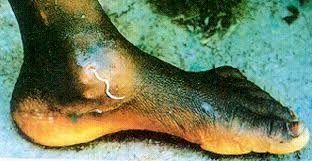
Dracunculus is a genus of parasitic nematodes that cause dracunculiasis (also known as Guinea worm disease). The disease is transmitted through ingesting contaminated water containing the larvae of Dracunculus medinensis, Read More ……..
Simplifying Allied Health Learning.
Dracunculus is a genus of parasitic nematodes that cause dracunculiasis (also known as Guinea worm disease). The disease is transmitted through ingesting contaminated water containing the larvae of Dracunculus medinensis, Read More ……..

Filariae are a group of parasitic nematodes (roundworms) responsible for various human diseases known as filarial infections. The diseases caused by filariae are generally transmitted through the bites of infected Read More ……..

Trypanosomes are flagellated protozoan parasites of the genus Trypanosoma, responsible for various diseases in humans and animals. The most notable diseases caused by trypanosomes are African trypanosomiasis and American trypanosomiasis. Different Read More ……..
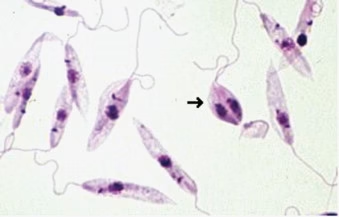
Leishmania is a genus of parasitic protozoa responsible for a group of diseases collectively known as leishmaniasis. These diseases are transmitted by biting infected sandflies. They can cause a range Read More ……..

Introduction Using laboratory animals in viral culture has been critical in virology research, particularly for studying viral pathogenesis, vaccine development, and therapeutic interventions. While animal cell cultures have become the Read More ……..