
Determination of Malaria Parasites The thick blood smear concentrates Plasmodium parasites, making them easier to detect, while the thin smear allows detailed examination of the parasite’s morphology for species identification. Read More ……..
Simplifying Allied Health Learning.
Determination of Malaria Parasites The thick blood smear concentrates Plasmodium parasites, making them easier to detect, while the thin smear allows detailed examination of the parasite’s morphology for species identification. Read More ……..

Introduction Handling and disposal of infected and dangerous radioactive materials is a highly specialised process that requires strict adherence to safety protocols, legal regulations, and industry standards. Radioactive materials, due Read More ……..

Introduction The Quality control of a clinical biochemistry laboratory is an essential part of modern healthcare, offering critical data that influences medical decision-making. Through the analysis of various biological samples, Read More ……..
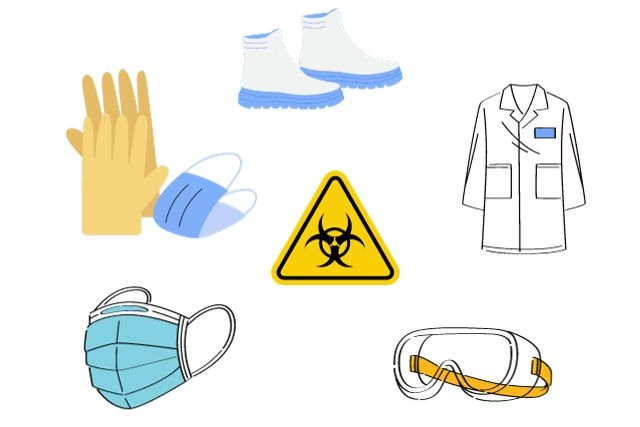
Hazards in Clinical Biochemistry Hazards in Clinical biochemistry involves the analysis of bodily fluids, such as blood and urine, to diagnose and monitor various medical conditions. While these processes are Read More ……..

Working Principle Electron microscopes use electron beams instead of light to magnify objects. Electrons have a much shorter wavelength than visible light, allowing for much higher magnification (up to 1 Read More ……..