

Brucella
Introduction Brucella is a genus of Gram-negative, facultative intracellular coccobacilli. Brucella species are the causative agents of brucellosis, also known […]
Introduction Brucella is a genus of Gram-negative, facultative intracellular coccobacilli. Brucella species are the causative agents of brucellosis, also known […]
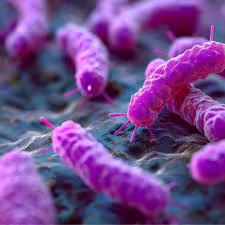
Introduction Bordetella is a genus of small, Gram-negative, aerobic coccobacilli. Bordetella pertussis is the principal causative agent of whooping cough
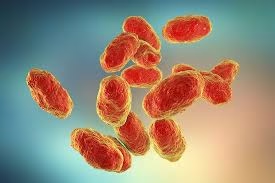
Introduction Haemophilus is a genus of small, pleomorphic, Gram-negative bacteria commonly found in the human upper respiratory tract. Members of

Introduction Salmonella is a clinically important Gram-negative bacterium belonging to the family Enterobacteriaceae. It is a major cause of food-borne
Introduction Shigella is a Gram-negative, non-motile, non-spore-forming bacillus. It belongs to the family Enterobacteriaceae. Shigella is the causative agent of
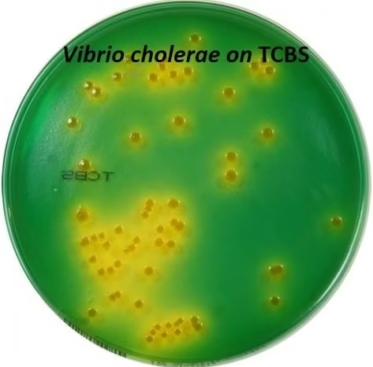
Introduction Vibrio cholerae is a Gram-negative, curved (comma-shaped), motile bacterium. It is the causative agent of cholera, an acute water-borne

Introduction Streptococcus pneumoniae is a significant human pathogen responsible for various serious infections, including pneumonia, meningitis, and otitis media. Understanding