
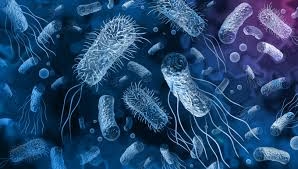
Salmonella
Introduction Salmonella is a clinically important Gram-negative bacterium belonging to the family Enterobacteriaceae. It is a major cause of food-borne […]
Introduction Salmonella is a clinically important Gram-negative bacterium belonging to the family Enterobacteriaceae. It is a major cause of food-borne […]
Introduction Haemophilia is a hereditary bleeding disorder caused by deficiency of specific coagulation factors. It results in prolonged or spontaneous
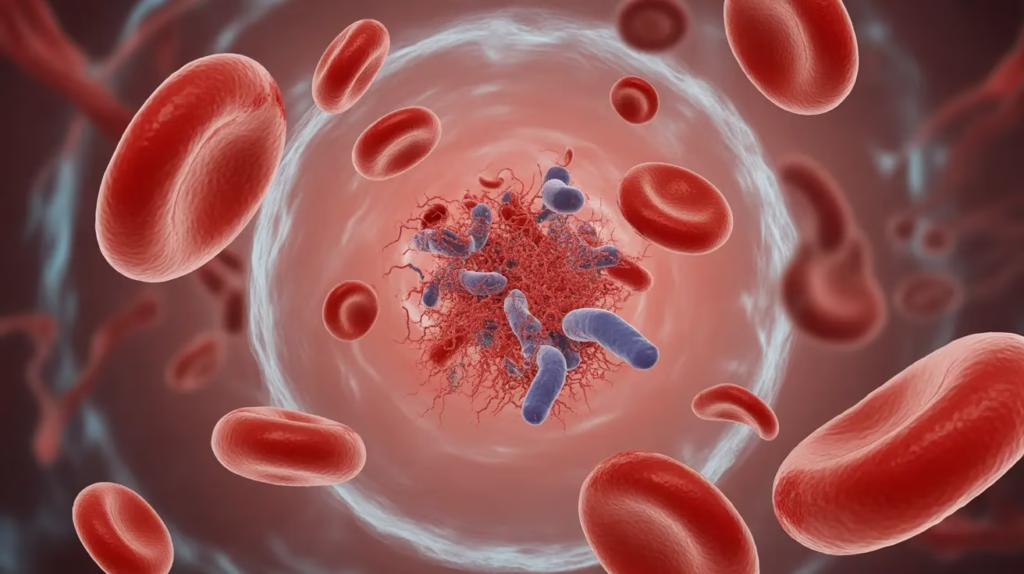
Introduction Blood transfusion is a life-saving therapeutic procedure widely used in medical and surgical practice, but it is not without
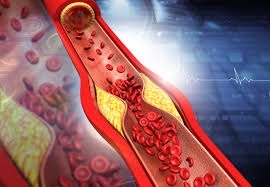
Introduction Cholesterol is a vital sterol lipid essential for normal structure and function of cell membranes, synthesis of steroid hormones,
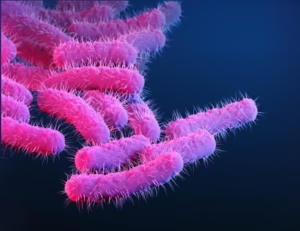
Introduction Shigella is a Gram-negative, non-motile, non-spore-forming bacillus. It belongs to the family Enterobacteriaceae. Shigella is the causative agent of
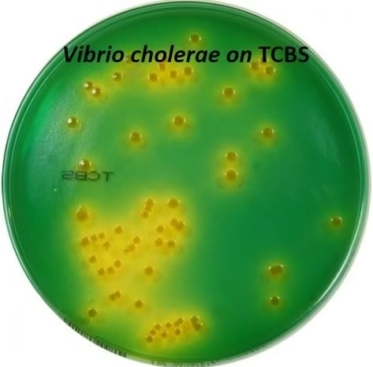
Introduction Vibrio cholerae is a Gram-negative, curved (comma-shaped), motile bacterium. It is the causative agent of cholera, an acute water-borne
Introduction Plasma lipids include cholesterol, triglycerides, phospholipids, and free fatty acids, which are essential for energy metabolism, membrane structure, and
Introduction Bone is a specialized connective tissue that provides mechanical support, protection, mineral storage, and metabolic regulation. Bone is a

Introduction The connective tissue extracellular matrix is a mesoderm-derived tissue that provides structural support, strength, and metabolic integration to organs
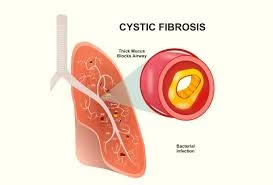
Introduction Cystic fibrosis (CF) is a hereditary, autosomal recessive disorder. It primarily affects the respiratory, digestive, and sweat gland systems.
Introduction Lipids are an important dietary component that provide energy and help in absorption of fat-soluble vitamins. Due to their

Introduction Streptococci are Gram-positive, spherical (cocci) bacteria that typically arrange in chains or pairs. They belong to the family Streptococcaceae
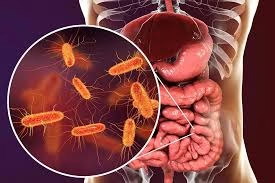
Introduction Escherichia coli (E. coli) is a Gram-negative, rod-shaped bacterium belonging to the family Enterobacteriaceae. It is a normal commensal

Introduction Antiseptics and disinfectants are chemical agents used to control the growth of microorganisms and prevent infections. They play a

Introduction Hermaphroditism refers to a group of congenital conditions in which an individual shows discordance between chromosomal sex, gonadal sex,

Introduction Fats (lipids) are essential biomolecules that serve as a major source of energy in the human body. They provide
Introduction Blood transfusion is a life-saving medical procedure widely used in anemia, trauma, surgery, obstetric emergencies, hematological disorders, and critical
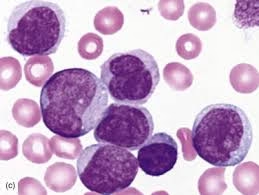
Introduction Di Guglielmo syndrome is a rare and aggressive hematological malignancy involving the erythroid (red blood cell) precursor cells. It
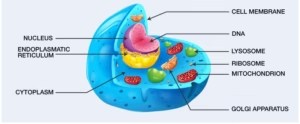
Introduction The cell is the smallest living unit capable of carrying out all vital life processes. In anatomy and physiology,
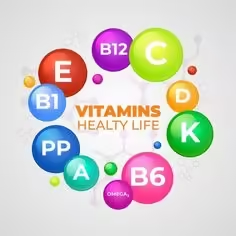
Introduction Vitamins are organic micronutrients required in small amounts for normal metabolism, growth, and health.They cannot be synthesized adequately by
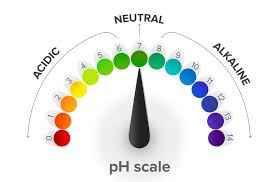
Definition Acid-base balance regulates the body’s hydrogen ion (H⁺) concentration to maintain the blood’s pH within the normal range of 7.35–7.45. Maintaining
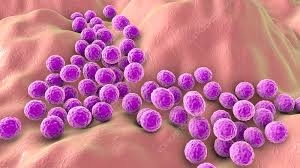
Introduction Staphylococci are Gram-positive cocci that typically appear in grape-like clusters due to division in multiple planes. They are non-motile,
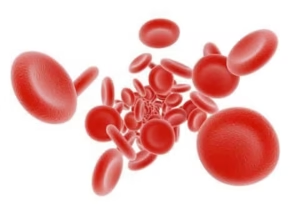
Introduction Abnormal haemoglobins are variations in the haemoglobin molecule that result from genetic mutations affecting the globin chains. These abnormalities

Introduction Urine is the final excretory product formed by the kidneys and reflects overall metabolic and renal function. Normal urine
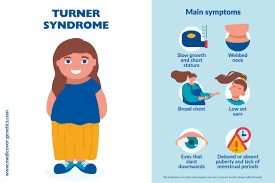
Introduction Turner’s Syndrome is a genetic condition that affects only females. It occurs when one X chromosome is missing or
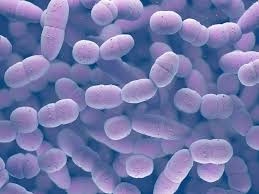
Introduction Streptococcus pneumoniae is a significant human pathogen responsible for various serious infections, including pneumonia, meningitis, and otitis media. Understanding
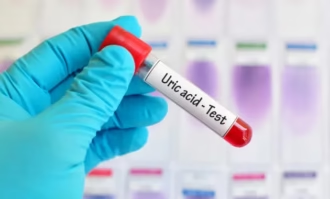
AIM: Determination of Uric Acid Introduction The end product of purine breakdown in humans is uric acid. Purine catabolism begins

Introduction Histology laboratory equipment is essential for preparing and examining tissue samples for microscopic study. These tools ensure proper fixation,
1. PPV and NPV PPV (Positive Predictive Value) Definition: If a test is positive, PPV tells you how likely it
1️⃣ First, Understand the Problem: Why Do We Need These Terms? Imagine you created a blood test to detect a