

ESR
AIM: Determination of ESR (Erythrocyte Sedimentation Rate) by the LANDAU Method Principles The Erythrocyte Sedimentation Rate (ESR) is a non-specific […]
AIM: Determination of ESR (Erythrocyte Sedimentation Rate) by the LANDAU Method Principles The Erythrocyte Sedimentation Rate (ESR) is a non-specific […]

AIM: Determination of Clotting Time Capillary method Principle The principle behind the capillary method is that blood, when exposed to

AIM: Determination of Bleeding Time Duke Method Principle: The Duke method is a simple test to measure the time taken

AIM: Determination of Reticulocyte Count Principle The supravital staining method is used for reticulocyte count. Blood is mixed with the
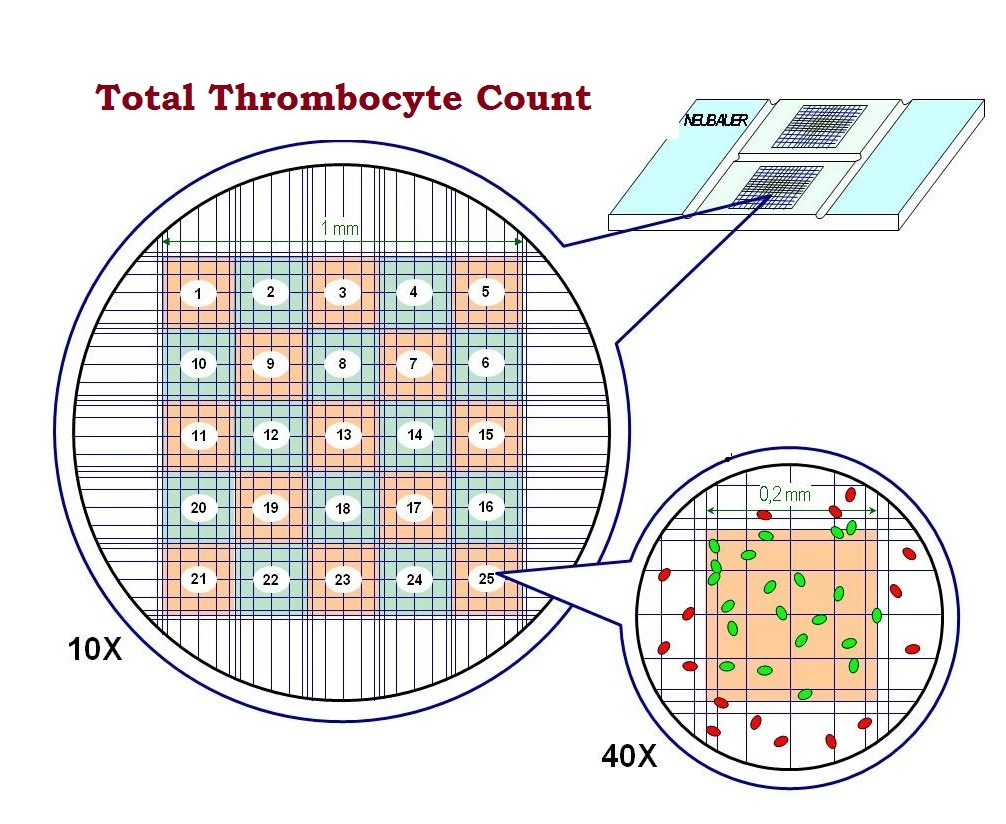
AIM: Determination of Platelet Count (Thrombocyte) Principle The total platelet count is a blood test used to measure the number
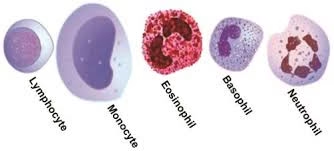
AIM: Determination of Differential Leukocyte Count (DLC) Principle The DLC is based on the microscopic examination of a blood smear
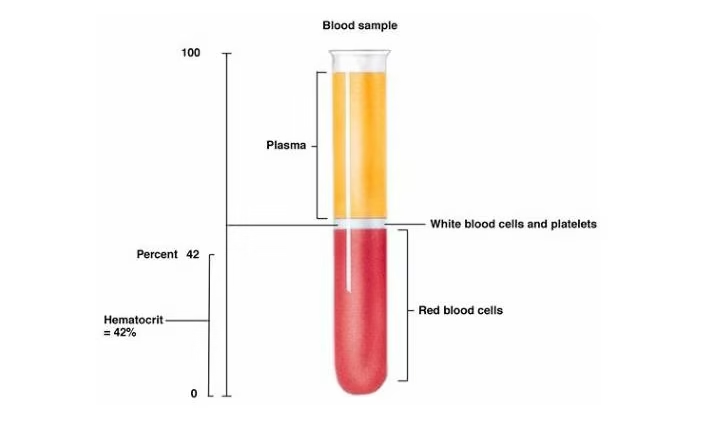
AIM: Determination of PCV (Packed Cell Volume), also known as hematocrit (HCT) Microhematocrit Method Principle The principle of the microhematocrit

AIM: Determination of Total Leukocyte Count (TLC) Principle The glacial acetic acid lyses the red cells while the gentian violet
AIM: Determination of Erythrocyte sedimentation rate (ESR) Principle The ESR is based on the principle of gravity and the aggregation
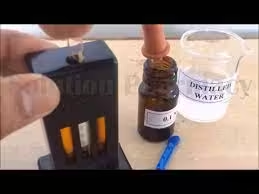
AIM: Determination of Hemoglobin Principle of Sahli’s method When blood is added to 0.1 N hydrochloric acid, hemoglobin is converted

Determination of Malaria Parasites The thick blood smear concentrates Plasmodium parasites, making them easier to detect, while the thin smear
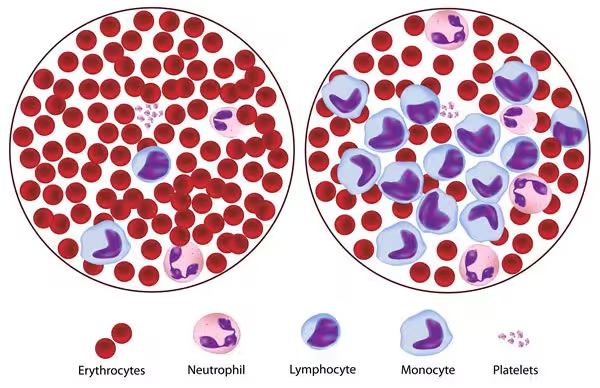
Principle Blood smear preparation is used to examine blood cells under a microscope. It allows for the evaluation of the
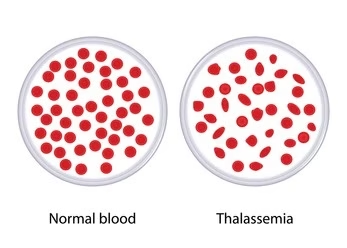
Determination of abnormal hemoglobin by various methods Electrophoresis is based on the principle of charge-to-mass ratio of molecules. Hemoglobin molecules